







APC chieftain Joe Igbokwe has warned that the South-East may regret its continued low participation in Nigerian Army recruitment exercises in the future.
His warning comes amid growing concerns from the military high command over the region’s consistent failure to meet its recruitment quota. The Nigerian Army has repeatedly expressed worry that youths from the South-East are shunning enlistment into the military.
During a recent passing-out parade in Ebonyi State, Chief of Army Staff, Lt. Gen. Waidi Shaibu, appealed to parents, traditional rulers, and leaders in the South-East to encourage their youths to join the Army. He noted that the region has not been fully utilising its allocated recruitment slots despite the establishment of a new training depot in the zone to boost participation.
The Army has described military service as a noble career that offers opportunities in various professional fields, including medicine, engineering, and intelligence.
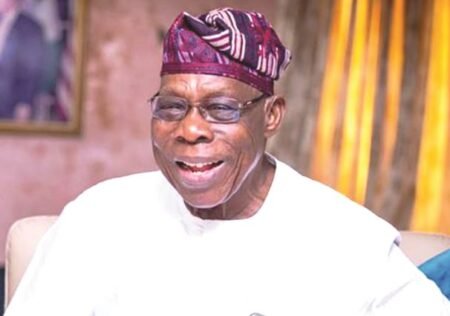
Reacting to the trend, APC chieftain Joe Igbokwe stated that the South-East would regret shunning Nigerian Army recruitment in the future. He observed that while the region continues to record low turnout, youths from the Northern part of the country are massively filling the available positions.
Igbokwe’s comment has sparked debates on social media, with some agreeing that the region stands to lose out on opportunities in the military, while others argue that prevailing insecurity and distrust in the system are responsible for the low interest.
Security analysts have attributed the low recruitment from the South-East to several factors, including the prevailing insecurity in parts of the region, perceptions of marginalisation within the military, and preference for other career paths by youths.
However, the Army has continued to insist that the military remains open to all qualified Nigerians regardless of region or ethnicity.
The development has once again brought to the front burner discussions about national integration and the need for balanced representation in Nigeria’s security institutions.