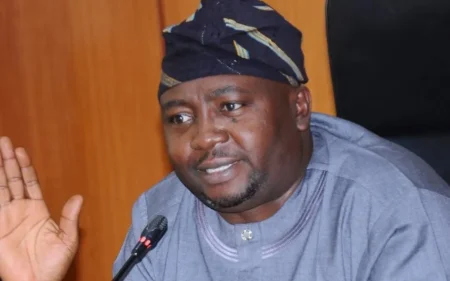
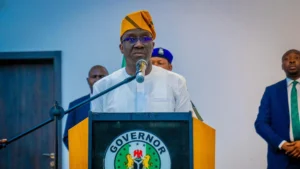




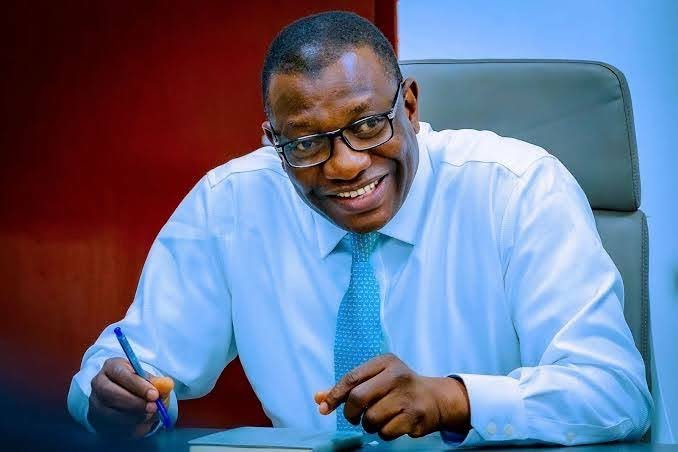
Bala Wunti appointed pioneer Chief Executive Officer of the World Energy Council (WEC) Nigeria, establishing the council’s first dedicated executive leadership structure in the country since Nigeria joined the global organization in 1960. The governing board of WEC Nigeria, led by Chairman Abdulrazaq Isa, announced the landmark appointment on Saturday, August 8, 2026, placing the accomplished energy strategist at the helm of the national committee to lead policy dialogue, energy security, and investment attraction.
What does Bala Wunti’s appointment mean for Nigeria’s energy sector?
Wunti brings over three decades of petroleum and energy sector experience to the new role, having previously served as Chief Upstream Investment Officer at NNPC Upstream Investment Services (NUIMS) and Chief Strategy and Sustainability Officer at NNPC Limited.During his tenure in the oil and gas industry, he led high-stakes negotiations for Nigeria’s Deep Offshore Production Sharing Contracts, instituted cost-optimization measures that drove production costs below $10 per barrel in key operations, and spearheaded digital supply tracking under Operation White.In his new executive role, Wunti is expected to leverage WEC Nigeria as an independent, technology-neutral platform connecting government authorities, private investors, financial institutions, and academia to accelerate bankable energy projects across the country.
President Bola Ahmed Tinubu welcomed the appointment, describing it as a strong international endorsement of Nigeria’s ongoing macroeconomic and energy sector reforms.The President noted that establishing full executive operations within the century-old global network strengthens Africa’s voice in international discussions surrounding energy trilemma management—balancing security, equity, and environmental sustainability.Under Wunti’s leadership, the council will champion natural gas as a vital transition fuel while unlocking capital to expand domestic power generation, energy access, and decarbonization strategies.
“Nigeria’s energy future cannot be shaped by ideology alone. It must be grounded in the realities of energy security, affordability, sustainability and national development. WEC Nigeria will bring government, industry, investors, academia and society into a credible, impartial platform that converts dialogue into informed decisions, investable solutions and measurable progress.”
As WEC Nigeria prepares to rollout its strategic framework, industry stakeholders anticipate increased collaboration between local operators and international energy partners. The council’s upcoming policy directives and research outputs are set to influence national energy legislation and infrastructure planning in the coming years. Will the new executive leadership successfully attract the international capital required to resolve Nigeria’s energy access deficits while meeting long-term decarbonization goals?