



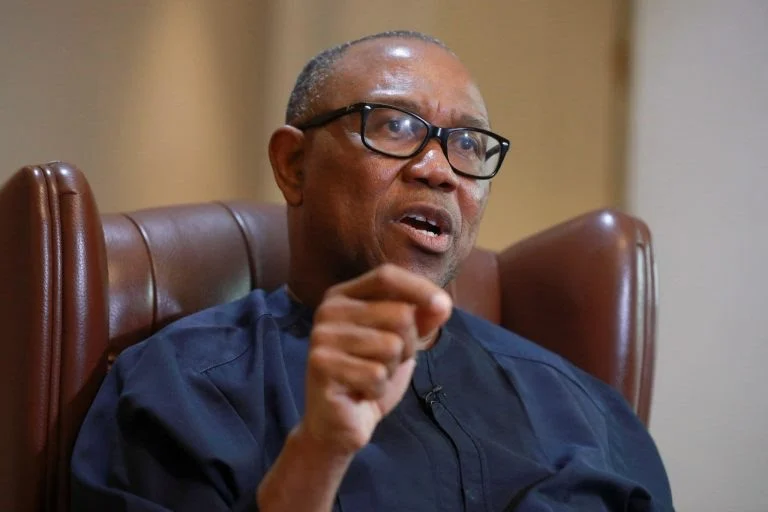
Peter Obi decries Nigeria’s political decay and the systemic compromise of key public institutions during a passionate address at the 2026 Goodluck Jonathan Foundation (GJF) Democracy Dialogue in Bauchi State. Speaking before political leaders, civil society advocates, and international observers, the former Anambra State Governor delivered a scathing indictment of electoral integrity, judicial independence, and religious patronage in contemporary Nigerian politics.
Why is Peter Obi raising alarm over Nigeria’s judicial and electoral systems?
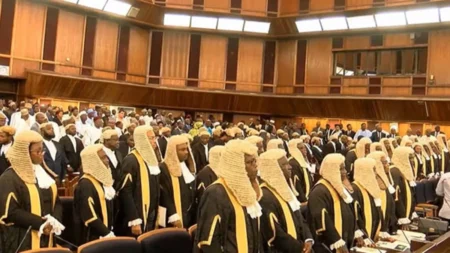
Addressing stakeholders at the annual democratic summit in Bauchi, Obi highlighted the troubling collusion among academics, legal practitioners, lawmakers, and religious figures in undermining democratic norms. He expressed deep concern over reports of university professors facilitating electoral malpractice, senior lawyers defending fraudulent credentials, and legislators systematically weakening legal provisions against forgery in electoral matters. Obi further lamented the commercialization of faith, noting that religious leaders frequently offer public blessings to corrupt politicians while judicial officers display open political bias rather than upholding impartial justice.
Reflecting on his personal political history, Obi drew a stark contrast between the current judicial landscape and his landmark victory in Anambra State, where he successfully reclaimed his governorship mandate through the courts. He recounted that he had never met or communicated with the judge who authored the judgment restoring his election until two years after taking office. The former governor stressed that such uncompromised judicial courage has become practically non-existent in modern Nigeria, where post-election litigation is increasingly perceived as transactional.
“In Nigeria today, we have professors aiding illiterate people to rig elections, lawmakers have removed forgery as an offence in electoral matters, and Senior Advocates of Nigeria (SANs) are defending forgery. Religious leaders are praying for criminal politicians and asking God to bless them, while our judges are now singing, ‘On your mandate we shall stand.’ As somebody who benefited from Nigeria’s democracy and judiciary, the judge who wrote the judgment that made me governor, I had never met him in my life. We only met two years after I assumed office. Where will someone get such a judgment in Nigeria today? It’s impossible as of today.”
Political analysts and civil society representatives at the Bauchi dialogue echoed Obi’s concerns, emphasizing that restoring public trust in democratic institutions requires comprehensive electoral reforms and institutional accountability. As discussions around future electoral cycles intensify across the country, civic groups continue to push for judicial reforms to protect the independence of the bench. Will Nigerian political and judicial leaders heed these calls to rebuild public confidence before the next major election cycle?