






The Nigerian Senate has rejected Oyo State Governor Seyi Makinde’s call for a United Nations-led investigation into the abduction of schoolchildren in the state.
The upper legislative chamber described the governor’s request as unnecessary and capable of undermining Nigeria’s sovereignty.
On May 15, 2026, gunmen suspected to be members of the Ansaru terrorist group attacked three schools in Oriire Local Government Area of Oyo State. They abducted about 45 to 49 pupils, teachers, and a toddler.
The victims were held in captivity for 56 days, during which some were reportedly flogged, chained, and subjected to other forms of ill-treatment. Security forces eventually rescued them around July 10, 2026, and they were handed over to Oyo State authorities on July 13.
Governor Seyi Makinde welcomed the rescued children and called for an independent investigation by the United Nations and international human rights organisations, arguing that the incident was too grave to be handled solely through domestic channels.
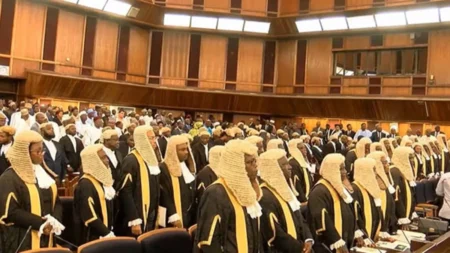
During plenary on Tuesday, senators strongly opposed the governor’s call. They maintained that Nigeria’s security agencies were capable of handling the investigation without external interference.
Senator Adams Oshiomhole described the request as “most unstatesmanlike,” arguing that it amounted to downgrading the sovereignty of Nigeria. Other senators also faulted Makinde for making statements that could portray the country in a negative light internationally.
Instead of supporting the call for a UN probe, the Senate commended the military and other security agencies for the successful rescue operation.
Governor Makinde had earlier explained that the nature of the abduction raised serious questions that required independent scrutiny beyond Nigeria’s domestic institutions. He stressed that the call for international involvement was not meant to undermine security agencies but to strengthen public confidence that the truth would be established and all those responsible would be held accountable.
The Senate’s rejection has generated mixed reactions across the country. While some Nigerians supported the position that external probes could undermine national sovereignty, others argued that the scale of the incident and the length of time the victims were held justified independent international scrutiny.
The development has once again brought to the fore debates about transparency and accountability in the handling of high-profile security incidents in Nigeria.