



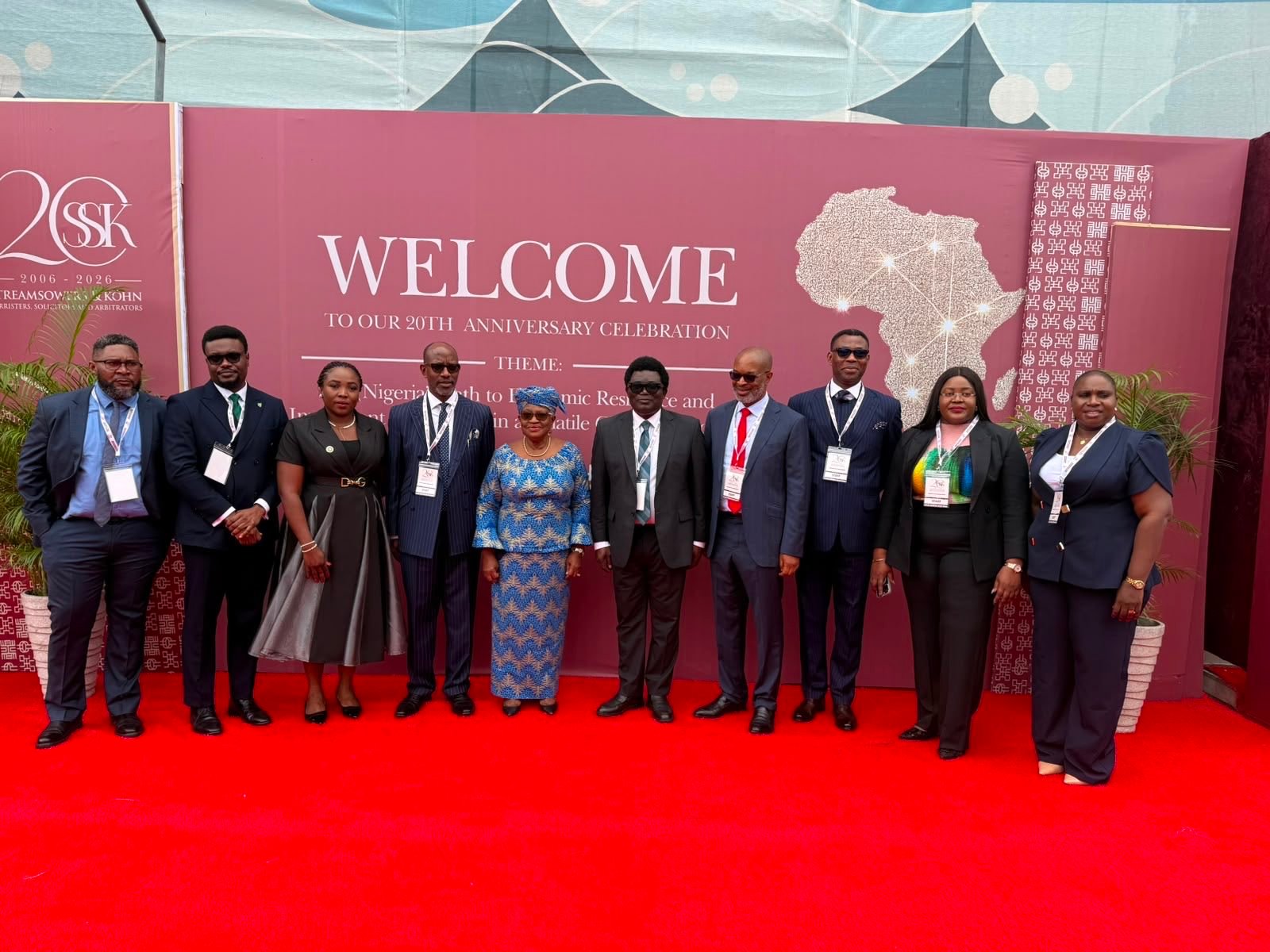
World Trade Organisation Director-General, Dr Ngozi Okonjo-Iweala, has challenged Nigerian business leaders and policymakers to strategically navigate global trade disruptions to unlock fresh AfCFTA opportunities for the continent. Speaking on Thursday in Lagos at the 20th-anniversary symposium of leading commercial law firm, Streamsowers & Köhn, the WTO boss highlighted the urgent need to position the economy for resilience amid mounting international volatility.
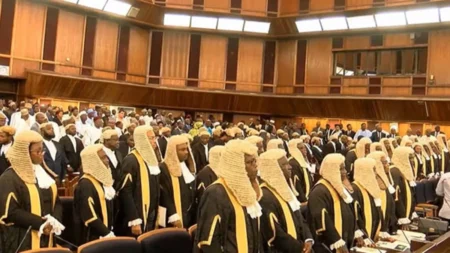
Okonjo-Iweala, who congratulated the firm’s partners, described the various panels as intellectually stimulating. The gathering brought together managing directors, general counsel, and senior government regulators to dissect the rapidly shifting dynamics of international commerce and map out practical solutions for the country.
The conversation at the symposium heavily centered on the African Continental Free Trade Area. Experts at the gathering noted that while the historic agreement promises immense economic integration, actual intra-African trade remains painfully limited. Analysts point out that persistent infrastructural deficits, complex border procedures, and inconsistent trade policies are heavily constraining the continent’s supply chains.
People at the event agreed that addressing these internal barriers is an absolute necessity before Nigeria can genuinely attract long-term regional investors or dominate continental commerce.
The general feeling in the room was clear: Africa must act deliberately to harmonise its regulatory frameworks, adopt seamless digital payment systems, and upgrade transport logistics to survive current market shocks. Rather than simply reacting to outside pressures, the consensus was that African nations need to turn these structural challenges into avenues for shared prosperity.
As global capital flows shift and multinational companies reorganise their supply chains around trusted regional partners, Nigeria finds itself at a critical crossroads. The era of abundant liquidity chasing returns regardless of risk is fading. Today, investors are prioritizing economies that demonstrate undeniable institutional strength and regulatory certainty.
To capitalize on these shifts, the legal and business communities are demanding deeper collaboration between the government and the private sector. Improving policy consistency and creating a secure, transparent business environment are no longer optional—they are strict requirements for national development.
By actively transforming these sweeping international headwinds into localized advantages, stakeholders at the Streamsowers & Köhn event expressed optimism that Nigeria can build a sustainable economic future that delivers tangible jobs and prosperity for everyday citizens.