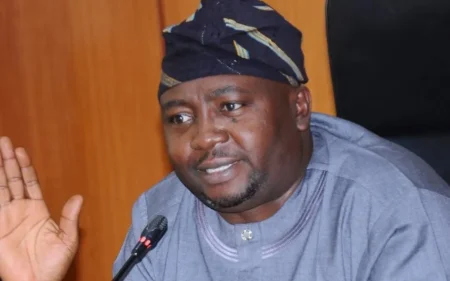




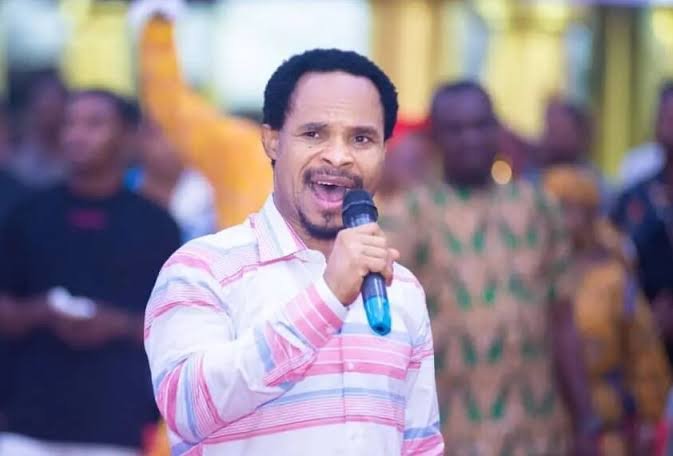
Prophet Odumeje has issued a fiery political critique of President Bola Tinubu’s administration, warning that the upcoming 2027 general elections will serve as a decisive referendum on the nation’s future. Speaking during a recent address at his church headquarters in Onitsha, Anambra State, the controversial cleric accused supporters of the ruling party of prioritizing personal enrichment over the long-term prosperity of future generations.
Why did Prophet Odumeje criticize President Tinubu and his political allies?
The General Overseer of the Mountain of Holy Ghost Intervention and Deliverance Ministry expressed deep concern over the prevailing socio-economic challenges facing ordinary citizens across the federation. He argued that political elites surrounding the presidency are trading away institutional stability and economic opportunities for personal financial gain. Consequently, he called on citizens, particularly the youth, to take ownership of the democratic process and reject inducements ahead of the next electoral cycle. “In 2027, Nigerians will decide whether the country belongs to politicians or to all of us,” the cleric declared, urging the electorate to demand leadership that delivers tangible governance reforms.
The cleric’s outspoken comments reflect broader public debates as political coalitions, civic organizations, and opposition leaders begin shaping their strategies ahead of the 2027 presidential poll. Analysts note that religious leaders across Nigeria continue to exert significant influence over public sentiment, particularly in times of heightened economic anxiety. While government spokespersons routinely defend executive economic policies—citing structural reforms aimed at long-term fiscal stability—critics argue that immediate relief measures remain urgent for struggling households.
- Direct accusation against ruling party loyalists, alleging they are sacrificing national progress for personal profit.
- Strategic emphasis on the 2027 general elections as a critical turning point for citizen empowerment over political patronage.
- Direct appeal to Nigerian youths and grassroots communities to active civic participation and election monitoring.
- Continued vocal involvement of religious figures in shaping national political discourse and public accountability.
“In 2027, Nigerians will decide whether the country belongs to politicians or to all of us. Those supporting President Tinubu are busy selling the future of our children for money and personal gain.”
As the political atmosphere gradually warms up ahead of pre-election primaries, public scrutiny of government policies and political alliances is expected to intensify. Religious institutions and civil society coalitions are increasingly urging voters to register, obtain voter credentials, and hold public officials accountable. The coming months will test whether civic movements and vocal critiques from religious leaders can successfully reshape voter behavior across the country. Will the electorate heed these warnings and transform public discontent into decisive political action at the ballot box in 2027?