



FCT Minister defends President Bola Tinubu’s subsidy removal policy, accusing former Vice President of “voodoo economics” and policy flips to gain political mileage.
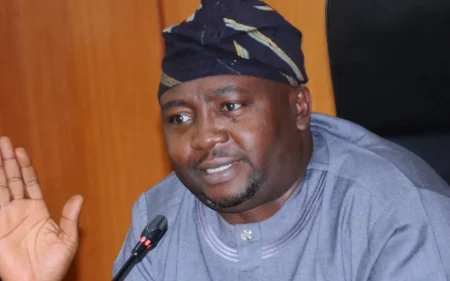
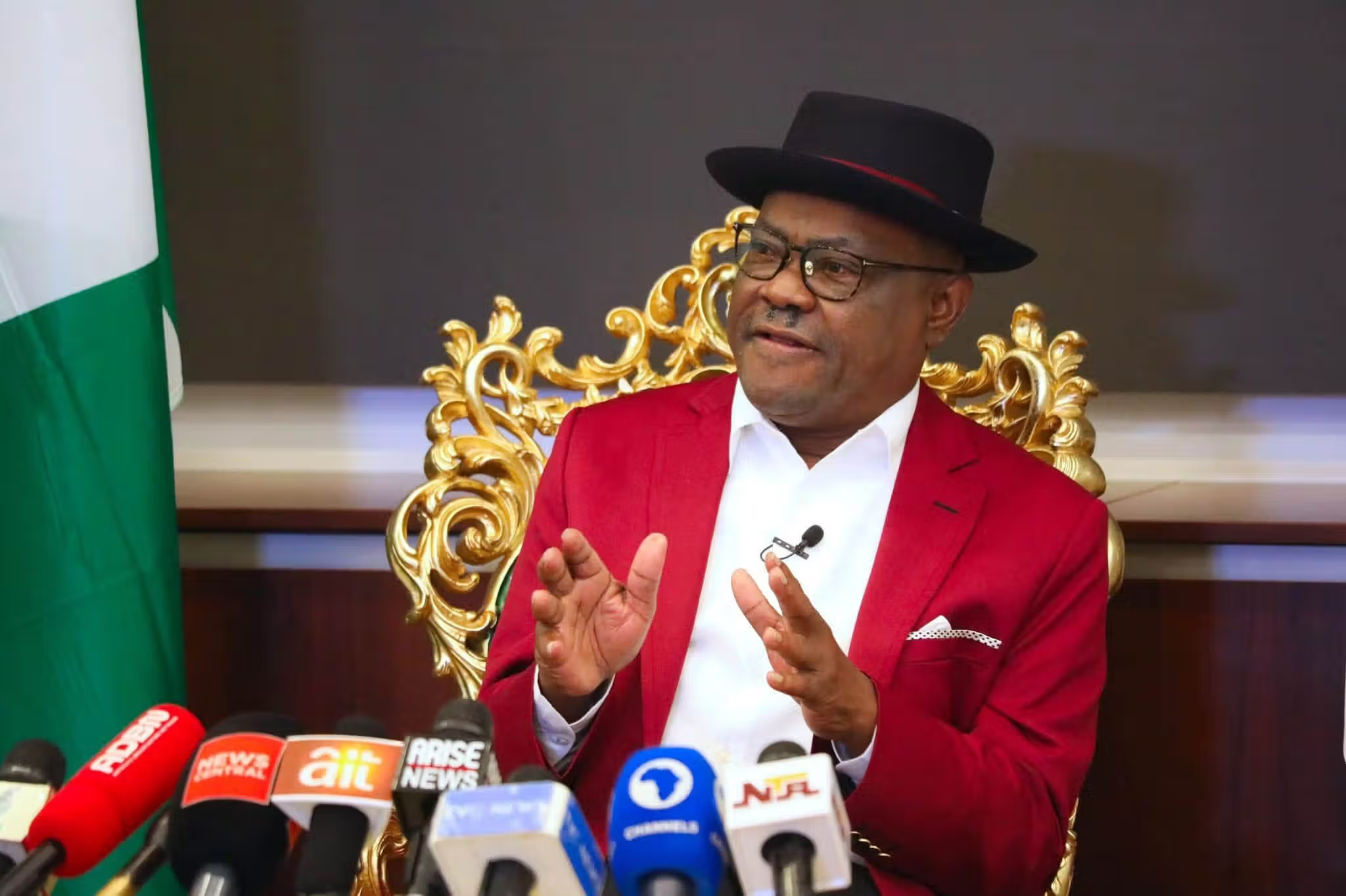
ABUJA, Nigeria — Federal Capital Territory (FCT) Minister Nyesom Wike has defended President Bola Tinubu’s fuel subsidy removal policy, launching a fierce critique against former Vice President Atiku Abubakar and accusing him of political inconsistency over his recent comments on fuel subsidy restoration.
Clarifying the administration’s stance during a press briefing in Abuja, Wike refuted claims that the Federal Government was reintroducing subsidies through backdoor channels, emphasizing that President Tinubu’s government remains firmly committed to deregulation under the Petroleum Industry Act (PIA). The minister directed his criticism at Atiku and opposition figures, recalling that during the 2023 election campaign, Atiku had repeatedly characterized the fuel subsidy regime as a “monumental fraud” and pledged to eliminate it.
Wike questioned the credibility of political leaders who alter their policy positions to suit electoral convenience, arguing that national leadership demands consistency on fundamental economic reforms. “We should be able to be consistent in what we say to our people. Leadership is not coming out to say one thing in the morning and a different thing at night,” Wike stated, describing Atiku’s proposal to restore subsidies as “voodoo economics” designed solely to court public favor ahead of the 2027 general elections.
The FCT minister emphasized that the removal of fuel subsidies has significantly increased monthly statutory allocations shared among federal, state, and local governments. He noted that these higher revenues have expanded fiscal liquidity across sub-national entities, allowing state governors—including those in the South-East—to meet civil service wage bills, fund social services, and execute vital capital projects.
Reaffirming his support for the ruling All Progressives Congress (APC) administration, Wike stated that domestic refining commercialization under private operators like the Dangote Refinery represents the sustainable path forward for Nigeria’s energy market, insisting that the fragmented opposition offers no coherent economic alternative ahead of the next general election.