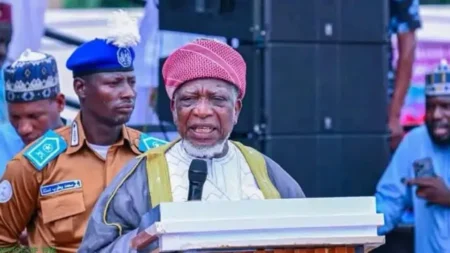





Goodluck Jonathan Osun election statement has stirred fresh debate after the former president praised the peaceful poll but flagged a dangerous trend. He spoke on Tuesday about the August 15 governorship contest in Osun. Jonathan urged national action to protect democracy from undue pressure by powerful outsiders.
Why Did Goodluck Jonathan Raise Alarm Over Osun Election Conduct?
Jonathan first thanked the Independent National Electoral Commission, security agencies, political parties and the people of Osun for delivering a process that builds public confidence. He then turned to the growing practice of serving governors, senior office holders and party leaders arriving from outside the state with large teams of aides and heavy security. The former president said the same pattern appeared in recent polls in Ekiti and Ondo. He recalled ordering party leaders and officials to leave Anambra in 2013 and Ekiti in 2014 when he was in office.
“This trend is unwholesome. If left unchecked, it could threaten our fragile democracy and have serious long-term implications for democratic stability,” Jonathan stated.
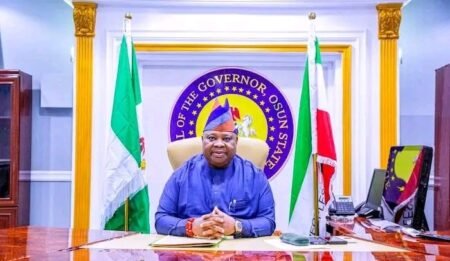
The incumbent governor, Ademola Adeleke of the Accord Party, won the election with 511,067 votes against All Progressives Congress candidate Bola Oyebamiji’s 444,815, a margin of 66,252 votes. Adeleke took 19 of the 30 local government areas. Jonathan warned that matching power with counter-power from rival governors could turn future contests into battles rather than peaceful choices by the people. He stressed that parties retain the right to mobilise through legitimate structures, yet the overwhelming presence of external political force on election day risks creating intimidation.
Jonathan called on the National Peace Committee to organise a stakeholders’ meeting as soon as possible. The gathering should include leadership of registered political parties, INEC, security agencies, the National Assembly, the Nigerian Bar Association, the Nigeria Governors’ Forum, civil society groups and the media.
Key points he highlighted include:
- The need to stop large-scale external mobilisation on election day
- Lessons from his own decisions during the 2013 Anambra and 2014 Ekiti polls
- The risk that the practice becomes accepted if left unchallenged
- The National Peace Committee’s moral authority to lead the conversation
- Agreement on clear standards before the next set of off-cycle elections
Those who have held high office carry a greater duty to strengthen institutions rather than generate fear among opponents or voters. An early national conversation can set boundaries that keep unusual practices from becoming the new normal.
Will political leaders answer Jonathan’s call before the next off-cycle contest tests these limits again?