




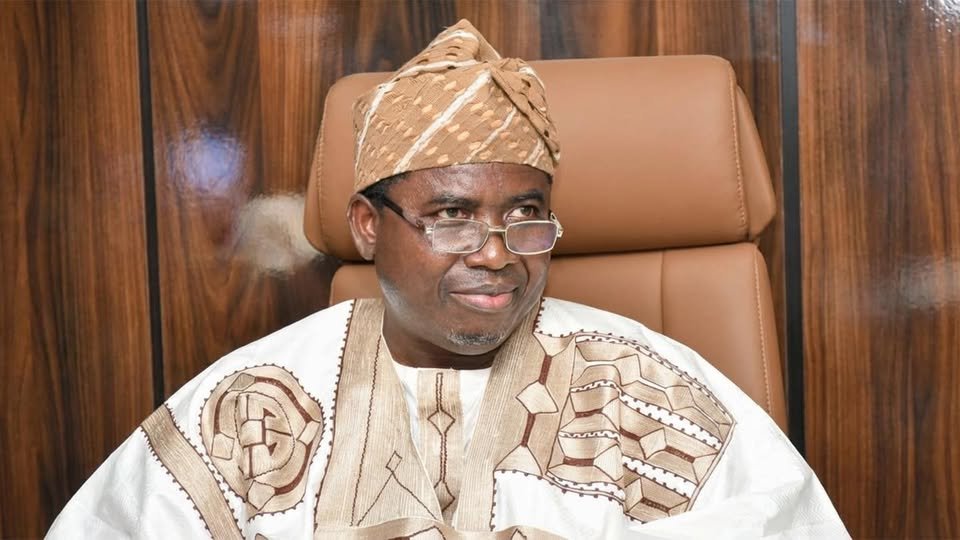
The Independent National Electoral Commission (INEC) has renewed its crackdown on electoral malpractice, with Chairman Prof. Joash Ojo Amupitan declaring that vote-buying is a criminal offence under the Electoral Act and charging security agencies to arrest and prosecute offenders.
“Vote Buying Is a Criminal Offence” – Amupitan
“Vote buyers must be arrested and prosecuted, it’s a criminal offence under the Electoral Act.”
The statement, issued ahead of the 2027 general elections, appears to signal a tougher stance by the electoral body against one of Nigeria’s most persistent electoral vices. Vote-buying—where candidates or their agents distribute money, gifts, or promises to influence voters—has long undermined the credibility of Nigerian elections. Under the Electoral Act 2022, vote-buying carries penalties including fines, imprisonment, and disqualification of candidates found culpable.
Civil society groups have repeatedly called on INEC to demonstrate consistency by acting against all offenders, regardless of political affiliation. However, the commission has often been accused of selective enforcement, particularly when ruling party interests are involved.
The skepticism is rooted in recent events. During the All Progressives Congress (APC) governorship primaries in Lagos and other states earlier this year, multiple videos circulated online showing alleged vote-buying, ballot snatching, and intimidation. Despite these reports, no high-profile prosecutions have followed.
Legal Framework vs. Political Reality
While the Electoral Act 2022 provides a robust legal framework for combating electoral fraud, implementation remains the challenge. Key hurdles include:
- Weak collaboration between INEC, police, and the judiciary
- Political interference in investigative and prosecutorial processes
- Inadequate protection for whistleblowers and witnesses
- Limited forensic capacity to gather admissible evidence
Legal experts argue that without addressing these systemic issues, public declarations—however strong—will remain largely symbolic.
The Road to 2027
With less than a year to Nigeria’s 2027 general elections, INEC faces mounting pressure to restore public trust. Chairman Amupitan’s latest statement could be a genuine turning point—or merely performative rhetoric.
What will determine its impact is action:
- Will INEC collaborate with the EFCC and police to investigate credible allegations?
- Will prosecutions target powerful figures, not just small-time operators?
- Will the commission publish regular updates to maintain transparency?
As one commentator noted: “The law doesn’t need to wake up when it’s convenient. It needs to stand guard always.”