







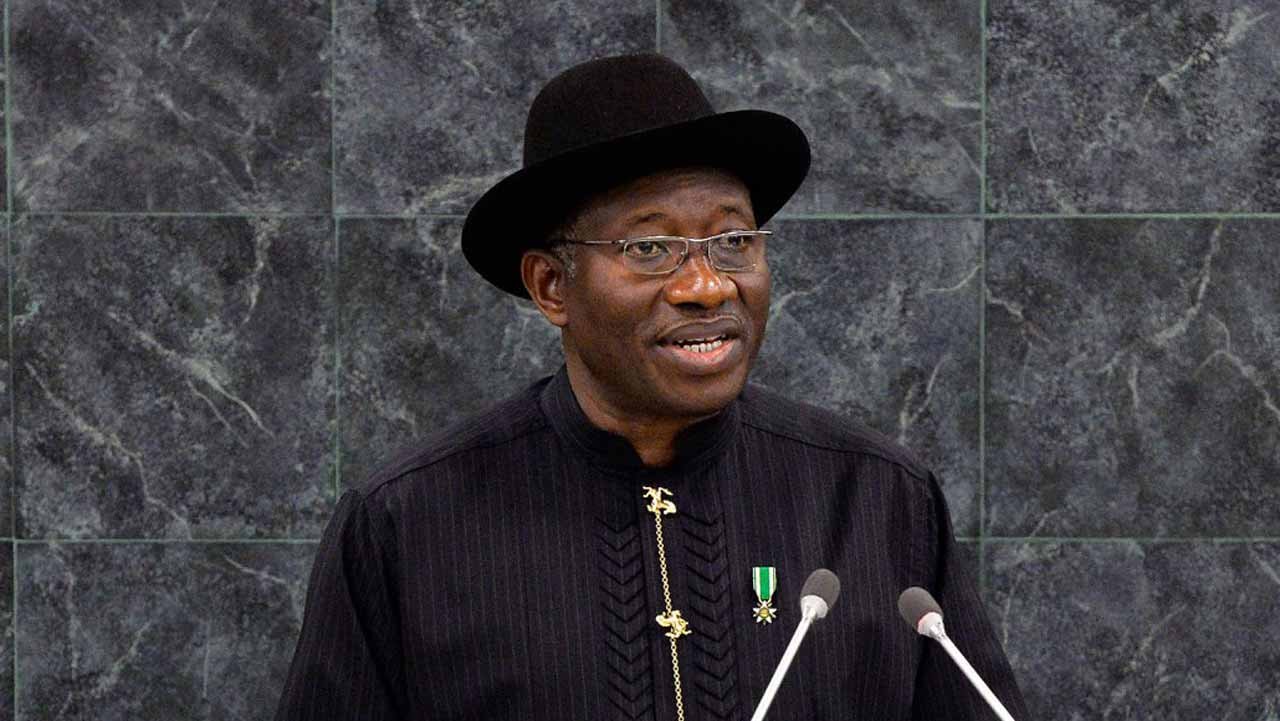
A Federal High Court in Abuja has ruled that former President Goodluck Jonathan is free to contest the 2027 presidential election. Justice Peter Lifu on Tuesday dismissed a suit seeking to stop him from running, describing the fresh legal challenge as an attempt to relitigate issues already settled by earlier judgments. The decision removes one of the biggest constitutional hurdles facing the former leader as political activities heat up ahead of the next general elections.
The ruling comes just hours after the court was expected to deliver judgment in the matter. Lawyers for the plaintiff had argued that Section 137(3) of the 1999 Constitution bars Jonathan from seeking the office again because he had already served as president. The court, however, held that previous binding decisions on the same question remain valid and that Jonathan’s earlier completion of the late President Umaru Yar’Adua’s term does not count against the two-term limit in the manner suggested by the suit.
What the Court Said About Jonathan’s Eligibility
Justice Lifu struck out the case and awarded a N20 million cost against the plaintiff for what the court viewed as an abuse of process. The judge noted that the issues raised had been conclusively determined in earlier cases, including rulings around the 2015 election cycle. INEC was represented at the hearing, and the court emphasised that the electoral body is not prevented from receiving Jonathan’s nomination papers should he decide to run.
Legal observers say the judgment reinforces the principle that constitutional eligibility questions settled by competent courts should not be reopened endlessly. Jonathan’s counsel had earlier filed a preliminary objection, insisting the matter was an abuse of court process.
The debate over Jonathan’s eligibility has resurfaced periodically. Section 137(3) states that anyone who assumes the presidency to complete another person’s term “shall not thereafter be elected to that office more than once.” Critics argue this bars him because he completed Yar’Adua’s term and later won a full term in 2011. Jonathan’s supporters and previous court rulings maintain that the succession period does not constitute an elected term in the strict sense, and that he has only been elected president once.
A similar suit filed ahead of previous cycles was also dismissed. Today’s ruling follows the same line, though political opponents insist the constitutional question remains open for higher courts to clarify definitively.
Political Reactions and What Comes Next
Reactions have been swift on social media and among political circles. Supporters celebrated the judgment as a victory for democracy and Jonathan’s right to participate if he chooses. Critics, however, say the focus should remain on his record rather than legal technicalities, pointing to challenges during his administration.
Jonathan, who is now 68, has not publicly declared any intention to run in 2027. Any decision would still depend on securing a party ticket, building a fresh coalition, and navigating the complex dynamics of Nigerian politics. The court’s decision simply means the legal door is no longer shut.For now, the judgment adds another layer to the unfolding 2027 conversation. Whether Jonathan steps forward or not, the ruling has settled one contentious issue — at least for the time being.