





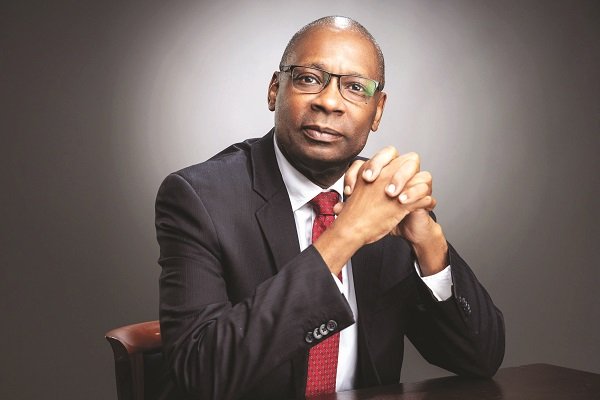
Mustafa Chike-Obi slams the IMF for promoting policy prescriptions that he contends threaten Nigeria’s economic stability and industrial growth. The prominent financial leader and former Chairman of Fidelity Bank Plc publicly criticized the International Monetary Fund, urging the multilateral organization to stop making what he described as devious recommendations to Nigerian policymakers.
Why is Mustafa Chike-Obi challenging the IMF’s economic model for Nigeria?
Addressing the ongoing macroeconomic debates surrounding Nigeria’s fiscal and monetary policy, Chike-Obi asserted that international financial institutions know better than to recommend formulas that hamper local real-sector productivity. He raised major concerns over three specific measures frequently urged by global advisers: pushing for artificial exchange rate targets around N1,100, maintaining benchmark interest rates near 30 percent, and introducing fresh taxes on petroleum products. According to the banking veteran, forcing the naira to strengthen without underlying domestic production creates severe market distortions, while keeping interest rates excessively high starves local industries of capital and halts manufacturing expansion.
Furthermore, Chike-Obi emphasized that introducing energy and fuel taxes in an already strained economy adds unnecessary financial burdens onto everyday citizens and small business owners. He argued that orthodox austerity measures prioritizing strict fiscal tightening over growth incentives serve only to suppress job creation and deepen public hardship. Instead of adhering strictly to external prescriptions, he called on Nigerian authorities to design production-centered reforms tailored specifically to expanding domestic capacity.
“The IMF knows better. Pushing for high interest rates and fuel taxes while driving specific currency targets restricts the growth of Nigerian industries and creates more hardship for the public.”
Financial sector stakeholders across West Africa have increasingly voiced similar concerns regarding prolonged monetary tightening. While central banks utilize high benchmark interest rates to curb persistent inflation, commercial borrowing rates reaching 30 percent make business expansion unaffordable for small and medium-sized enterprises. As public discussion intensifies around national economic strategy, industry leaders continue advocating for policies that lower the cost of doing business and safeguard local enterprises. Will Nigerian policymakers adjust their economic approach to prioritize domestic industrial output over orthodox international models?