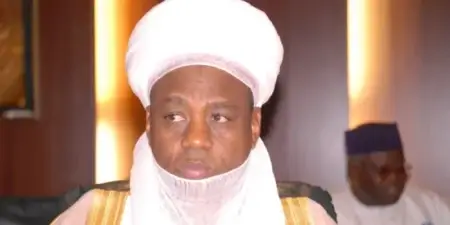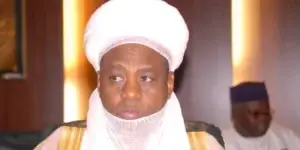




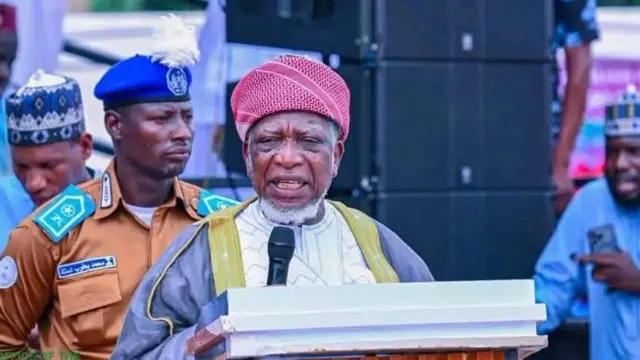
Islamic cleric Sheikh Jingir defends his endorsement of the Muslim-Muslim executive presidency in Nigeria, declaring that he will not withdraw his controversial remarks despite heavy criticism from religious bodies, political observers, and civil society groups across the nation. The prominent leader of the Jama’atu Izalatil Bid’ah Wa’Iqamatis Sunnah (JIBWIS) reiterated his position during a public address in Jos, Plateau State, asserting that his stance remains grounded in his personal religious convictions and political worldview.
Why is Sheikh Sani Yahaya Jingir refusing to retract his endorsement?
Addressing followers and congregation members, Sheikh Jingir maintained that supporting a same-faith political leadership is a legitimate democratic choice for his adherents. He argued that the current political arrangement under President Bola Ahmed Tinubu and Vice President Kashim Shettima represents a viable governance model for the country, dismissing calls from opposition figures and interfaith advocates who labeled the arrangement divisive or exclusionary. The cleric emphasized that no amount of public pressure, media scrutiny, or online criticism would force him to recant his endorsement, encouraging his supporters to remain steadfast in their socio-political alignment.
His insistence comes amid renewed national debates surrounding religious balance, social cohesion, and political inclusivity in Nigeria’s democratic system. Civil society organizations and Christian bodies, including the Christian Association of Nigeria (CAN), have repeatedly warned that promoting same-faith tickets deepens sectarian fault lines and undermines the constitutional principle of federal character. Despite these warnings, Sheikh Jingir insisted that electoral choices should be determined by strategic interest and group conviction rather than concessions to external pressure.
“I will not withdraw my statement. Supporting a Muslim-Muslim ticket is a choice I made based on conviction, and no amount of criticism will force me to change my mind.”
The cleric’s uncompromising stance continues to draw sharp reactions, with critics accusing him of fanning the embers of religious division, while loyalists defend his constitutional right to freedom of expression and political association. As conversations surrounding equity and representation intensify across the country, interfaith leaders continue calling for inclusive governance frameworks that protect national unity. Will political parties maintain or rethink same-faith arrangements as preparations begin for future electoral cycles?