



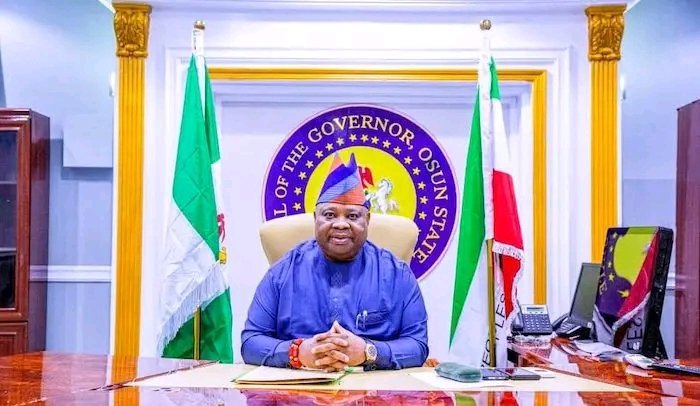
The Independent National Electoral Commission (INEC) has officially declared incumbent Governor Ademola Adeleke of the Accord Party as the undisputed winner of the 2026 Osun governorship election. Speaking at the collation centre in Osogbo on Sunday morning, the electoral umpire confirmed that Adeleke has successfully secured a fresh four-year mandate to lead Osun State.
By polling over half a million votes, the governor effectively brushed aside his closest challenger, Bola Oyebamiji of the All Progressives Congress (APC). Following months of intense grassroots campaigning, people across the state are currently reacting to the landmark victory as the Accord Party cements its political influence in the region.
INEC Announces 2026 Osun Governorship Election Results
The final figures presented by the Returning Officer, Professor Joshua Olalekan Ogunwole, showcased a clear margin of victory. According to the official data, Governor Adeleke captured 511,067 votes across the state’s 3,763 polling units. The APC candidate, Oyebamiji, followed with 444,815 votes, while Najeem Salaam of the African Democratic Congress (ADC) trailed in a distant third place with 17,180 votes.
The electoral commission noted that out of the over 2.3 million registered voters in the state, only about 1,005,800 valid ballots were cast. Analysts observing the process quickly pointed out that despite the historical high in voter registration, the actual turnout remained hovering around 43 percent, meaning fewer than half of the eligible population stepped out to vote. Additionally, over 20,000 votes were ultimately rejected.
A Peaceful Process Amid Familiar Challenges
The weekend exercise, which took place across all 30 local government areas and 332 wards, featured 15 different candidates vying for the top seat. For the most part, local residents and monitoring groups described the voting process as remarkably peaceful and orderly.
However, the familiar ghosts of Nigerian elections were not entirely absent. Some voters reported scattered incidents of vote-trading and minor technical glitches with voting equipment in a few polling units. Despite these isolated challenges, the general consensus among observers is that the final results accurately reflect the will of the people who chose to participate. As Osun prepares for another four years under Adeleke’s administration, the focus now shifts back to delivering the dividends of democracy to the grassroots.