





In the bustling heart of Nigeria’s Southeast, something electric is happening. Two ambitious tech projects—one in Owerri, the other in Awka—are turning Igboland into a serious contender on Africa’s digital map. Imo Digital City and Anambra’s Solution Innovation District aren’t just shiny new buildings; they’re living proof that the legendary Igbo entrepreneurial spirit is alive, kicking, and ready for the 21st century.
Governor Hope Uzodimma recently walked through the near-finished halls of Imo Digital City along Egbu Road, while Governor Charles Soludo is pushing hard on the permanent home for the Solution Innovation District on 13.7 hectares outside Awka. The big question everyone’s asking: Are these two giants rivals… or the perfect tag-team that could spark a true Southeast tech boom?
Imo Digital City: West Africa’s Next Tech Giant?
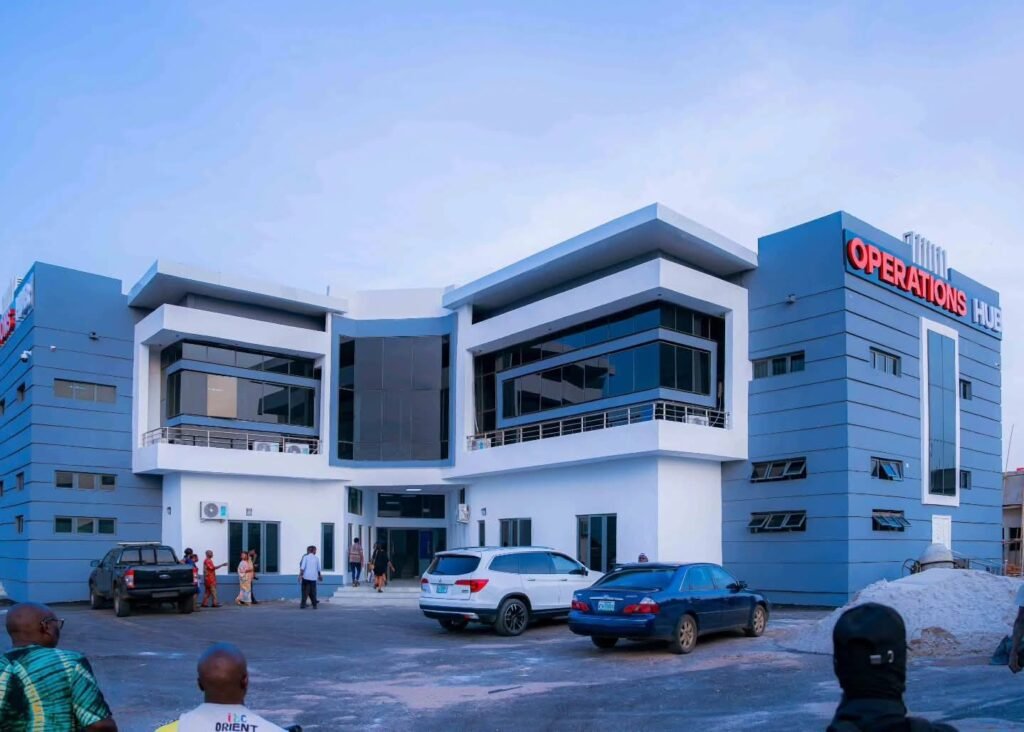
Walk into Imo Digital City and you immediately feel the scale. Privately led but with strong state backing, this project bills itself as “Africa’s Biggest Tech Hub.” The numbers are jaw-dropping: a projected $16.6 billion valuation and a target of 300,000 jobs by the end of 2025.
Right now, the complex is 90–95 percent complete. Fiber-optic cables are already lighting up all 27 local government areas. Inside you’ll find cutting-edge innovation hubs, co-working spaces, AI and cybersecurity labs, blockchain training rooms, and even guest lodges and event centers ready to host global summits.
The partnerships are impressive too. Microsoft, Cisco, Zinox Technologies, and the European Union Digital SME Alliance have all signed on. Silicon Valley’s U.S. Market Access Centre and UC Berkeley’s Sutardja Center are bringing mentorship and real market access. And through the SkillUp Imo program, the state has already trained more than 40,000 young people, with plans to place 100,000 Imo tech talents in paid international roles by 2026. In short, Imo isn’t just building a hub—it’s building a talent export engine while keeping the brains at home.
Solution Innovation District: Anambra’s “Everything Technology” Dream
A short drive away in Awka, Anambra is taking a different but equally bold path. The Solution Innovation District (SID) is a fully state-driven project, born from Governor Soludo’s rallying cry: “Everything Technology, Technology Everywhere.”
They’ve turned the old Government House into a living symbol—political power literally converted into innovation power. The new permanent site spans 13.7 hectares and features a massive 3,842-square-metre Innovation Block packed with enterprise data centers, AI and robotics labs, virtual reality studios, gaming rooms, and even napping pods for late-night coders.
But SID’s real superpower is people. Their flagship “1 Million Anambra Digital Tribe” program promises completely free digital training to one million residents. Whether you’re a teenager learning to code, a woman joining SHECODES ANAMBRA, or a kid in KIDSCODE ANAMBRA discovering robotics, the doors are wide open. So far, they’ve already reached over 100,000 young people, incubated more than 111 startups, sparked 21 innovation hubs across the state, and created an Anambra Angel Network to fund the best ideas.

Not Rivals—Partners in a Bigger Story
At first glance, the two projects look like competitors. Imo Digital City is private-led, globally connected, and focused on big-ticket incubation and talent export. SID is state-driven, laser-focused on mass digital literacy, and deeply rooted in local startup support.
Yet the smartest voices in the region see something more beautiful: complementarity.
Imo’s global networks and advanced infrastructure could become the launchpad for the thousands of startups being born in Anambra. Meanwhile, SID’s massive talent pipeline—training a whole generation in web development, AI, cloud computing, and more—gives Imo exactly the skilled workforce it needs. Add in the Southeast Development Commission’s ₦70 billion fund for young entrepreneurs, and you start to see the outline of something bigger: a genuine Southeast Technology Corridor stretching from Owerri to Awka, Enugu, Aba, and Onitsha.
The Secret Sauce: Igbo Entrepreneurial DNA
What truly sets both projects apart is something you can’t build with concrete or fiber cables—it’s cultural.Igbo entrepreneurship has always been about networks, calculated risks, and community capital. The traditional Igba Boi apprenticeship system taught young people how to build businesses from scratch; today that same spirit lives in mentorship programs inside these tech hubs. Local stakeholders sit at the table. Solutions are designed to be practical, scalable, and profitable—classic Igbo pragmatism meets modern code.
And let’s not forget the deeper history: long before the rest of the world wrote the rules, Igbo ancestors were masters of iron works and trade networks. Today’s digital renaissance feels less like importing foreign ideas and more like updating an ancient operating system.
The Real-World Hurdles
Of course, the road ahead isn’t all smooth. Power supply across the Southeast remains unreliable. Internet costs are still too high. There’s the constant risk of brain drain—top talent heading to Lagos or abroad for bigger paychecks. And both projects will need steady political commitment beyond any single governor’s term.Then there’s inclusion: making sure rural communities and women aren’t left behind. Programs like SHECODES are a strong start, but the work is far from done.
What 2026 Holds
Keep your eyes on these milestones this year:
- The official launch of Imo Digital City, expected to draw investors from across Africa and beyond.
- Completion of SID’s iconic Innovation Block, already prioritized in Anambra’s 2026 budget.
- Possible formal agreements between Imo and Anambra to align training standards and startup support.
- Growing calls for the federal government to give Southeast tech hubs the same attention it gives other regions.

The Future Is Local, Digital, and Unapologetically IgboIn the end, this isn’t about two buildings or two governors. It’s about a people refusing to be left behind. From the apprenticeship sheds of Onitsha to the code repositories of Owerri and Awka, Ndigbo are proving once again that entrepreneurship isn’t something they learn—it’s who they are. The true success metric won’t be ribbon cuttings or square metres of floor space. It will be the number of Igbo young people who stop looking for jobs and start creating them.
Governor Soludo said it plainly: the goal is to turn Anambra into a global tech and trade hub. Imo is aiming to become Nigeria’s premier technology powerhouse. Together, they’re showing the world that the future isn’t something that happens to the Southeast—it’s something the Southeast is building, one line of code, one startup, and one digitally empowered youth at a time.The future is digital.
The future is local.
And for Ndigbo, the future is now