




ABUJA — Nigeria’s television broadcasting sector is poised for a historic transformation as the Federal Government announces the nationwide launch of the long-awaited Digital Switch Over (DSO) project, scheduled for official commissioning on June 17, 2026.
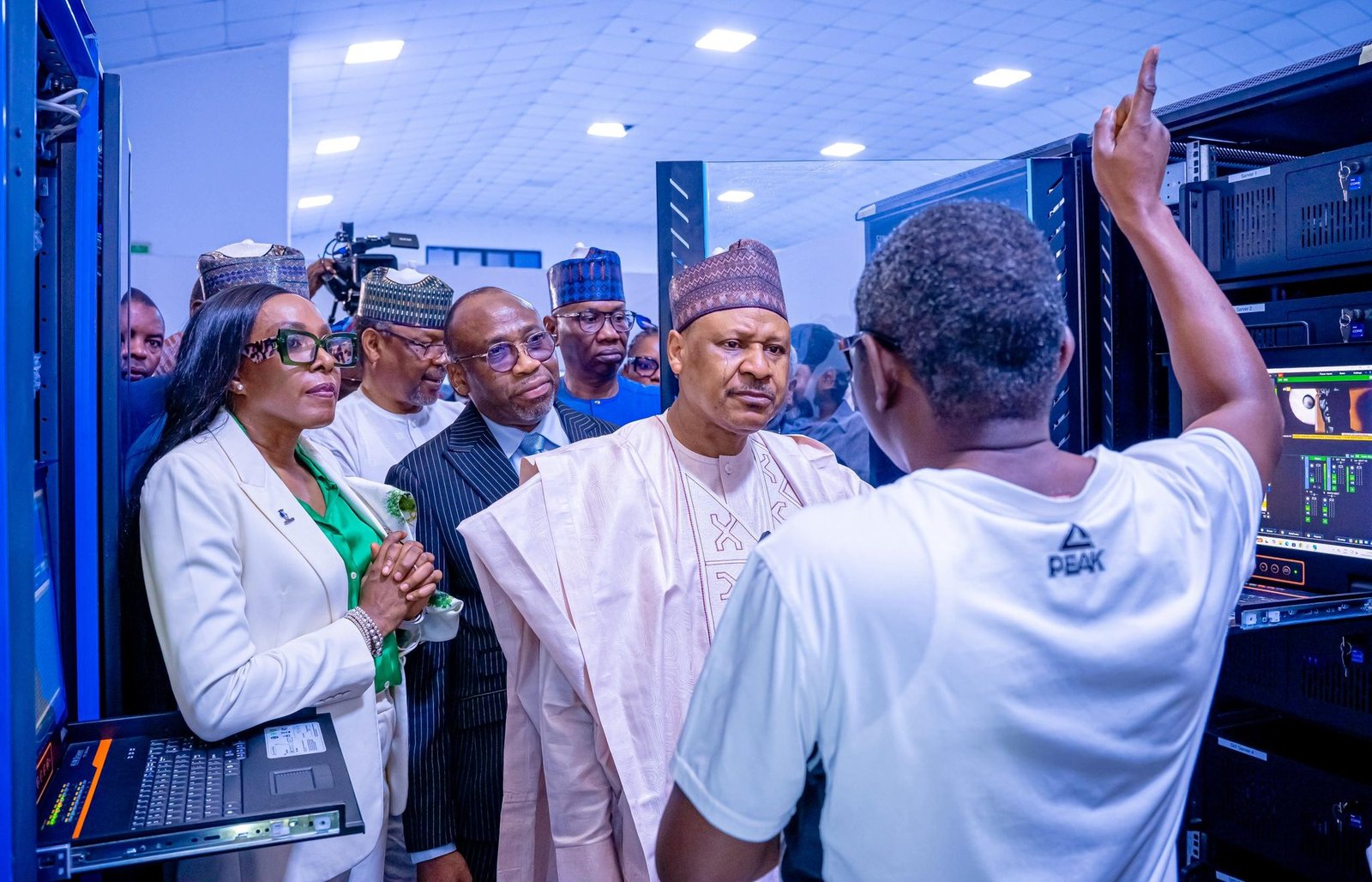
The announcement, made by Mohammed Idris, FNIPR, signals the culmination of years of planning and delays in migrating the country’s television infrastructure from outdated analogue systems to modern digital broadcasting. The initiative is being driven through a strategic partnership between the National Broadcasting Commission (NBC) and the Nigerian Communications Satellite Limited (NigComSat), leveraging indigenous satellite technology to deliver a robust, nationwide digital framework.
What Viewers Stand to Gain
Under the new DSO platform, Nigerian viewers can expect significant improvements in broadcast quality, including high-definition content, more reliable signal coverage, and enhanced audience measurement capabilities. The digital migration is also designed to break existing monopolies in the broadcasting space, fostering healthy competition among content providers and creating a more dynamic media ecosystem.
“This is truly a new dawn for our country,” Idris stated, linking the project to President Bola Tinubu’s Renewed Hope Agenda. “Digital broadcasting is infinitely superior to analogue, in terms of broadcast quality, analytics, accuracy of audience measurement, and competition. With digital broadcasting, there’s no room for monopoly. Everybody is going to compete.”
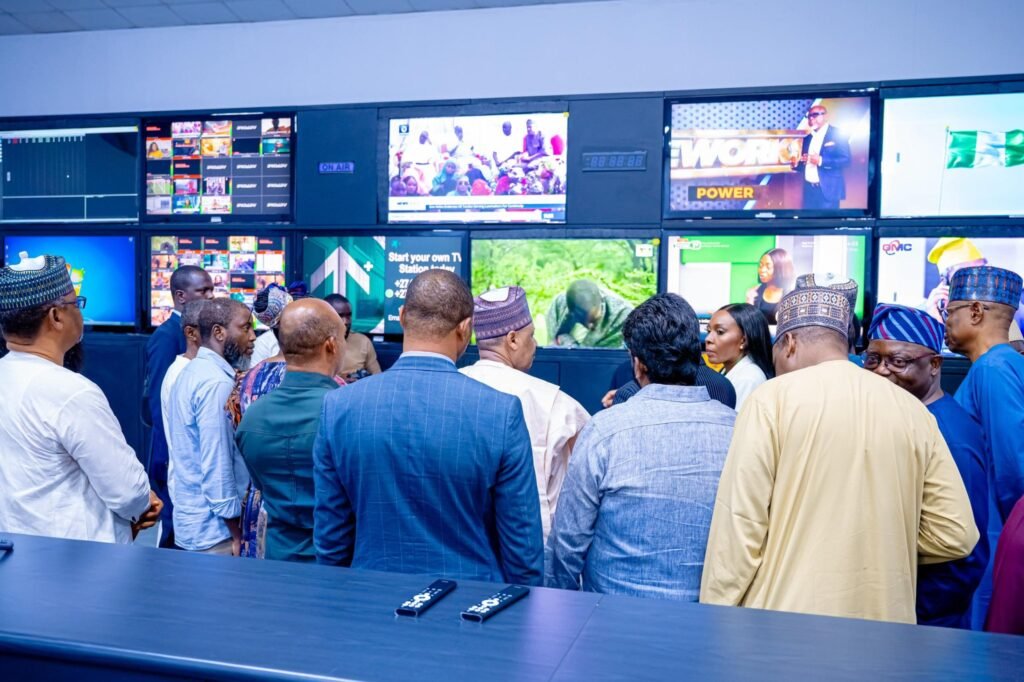
Industry stakeholders have welcomed the development, though some express cautious optimism given previous attempts at digital migration. Nigeria had initially committed to completing the analogue switch-off by 2015 under international agreements with the International Telecommunication Union (ITU), but the timeline was repeatedly extended due to funding challenges, policy inconsistencies, and logistical hurdles.
Satellite-Powered Coverage and Benefits for Advertisers and Consumers
The new satellite-powered framework aims to address past shortcomings by utilizing NigComSat’s orbital infrastructure to ensure broader coverage, including rural and hard-to-reach communities. This approach could significantly reduce the cost of terrestrial transmitter deployment while enabling simultaneous nationwide rollout.
For advertisers and broadcasters, the digital transition promises data-driven insights into viewership patterns, enabling more targeted programming and smarter investment decisions. Consumers, meanwhile, stand to gain access to a wider array of local and international content, interactive services, and improved audio-visual experiences.
However, successful implementation will require coordinated efforts across multiple fronts. Public awareness campaigns will be essential to ensure viewers understand the need for digital-ready receivers or set-top boxes. Regulatory clarity, affordable access to decoding equipment, and sustained political will will also be critical to avoiding the pitfalls that stalled earlier migration attempts.
Technical experts have emphasized the importance of adopting future-ready infrastructure. “I am hoping we can successfully utilize a modern, IP-based broadcast infrastructure, focusing on digital-first delivery, cloud integration, and high-definition IP video connectivity to support 24/7 global broadcasting operations,” noted one industry observer on social media following the announcement.
The Road Ahead
As the June 17 commissioning date approaches, all eyes will be on the NBC and NigComSat to deliver a seamless rollout. If executed effectively, Nigeria’s DSO project could serve as a model for digital transformation across other sectors of the economy, reinforcing the government’s commitment to technological modernization and inclusive growth.
The broadcasting revolution, long promised, now appears within reach. For millions of Nigerian households, June 17 could mark the beginning of a new era in how news, entertainment, and information are consumed across the nation.