







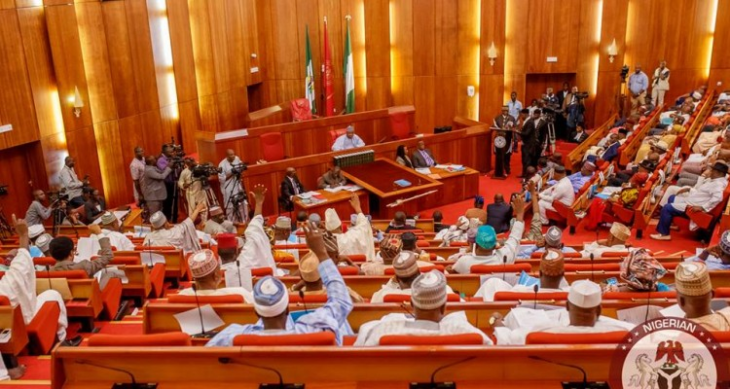
The Nigerian Senate has called for the immediate suspension of the country’s terrorist rehabilitation programme, with Senator Adams Oshiomhole describing the initiative as lacking common sense.
The upper chamber’s position comes amid growing concerns over the reintegration of individuals previously involved in terrorist activities.
Oshiomhole Slams Rehabilitation of Criminals
Speaking during Senate proceedings, Senator Adams Oshiomhole strongly criticised the programme, stating that it makes no sense to grant pardon, rehabilitate, and reintegrate criminals back into society.
“It does not make even common sense to grant pardon, rehabilitate and reintegrate criminals,” Oshiomhole said.
His comments reflect the Senate’s broader push to review or halt the programme, which has been running for several years as part of efforts to deradicalise and reintegrate repentant terrorists, particularly those linked to Boko Haram in the North-East.
Senate Pushes for Review of Deradicalisation Efforts
The call for suspension comes as lawmakers express concerns about the effectiveness and security implications of the rehabilitation programme. Critics argue that the process has not been transparent enough and that some beneficiaries may not have genuinely renounced terrorism.
The Senate is expected to push for a comprehensive review of the initiative before any further reintegration efforts continue.
Context of the Rehabilitation Programme
Nigeria’s terrorist rehabilitation programme was introduced as part of a broader strategy to combat insurgency through a combination of military action and deradicalisation. It has involved the reintegration of former fighters who claim to have renounced violence.
While the government has maintained that the programme includes strict monitoring and vetting processes, public and legislative concerns have persisted over its outcomes and potential risks to national security.
Oshiomhole’s blunt remarks have resonated with many Nigerians who have long questioned the wisdom of rehabilitating individuals involved in terrorist acts that have claimed thousands of lives.
Supporters of the programme, however, argue that deradicalisation remains a necessary tool in the fight against insurgency, provided it is properly managed and monitored.
The Senate’s intervention is likely to intensify debate on the best approach to balancing justice for victims with long-term peace and security in affected regions.