




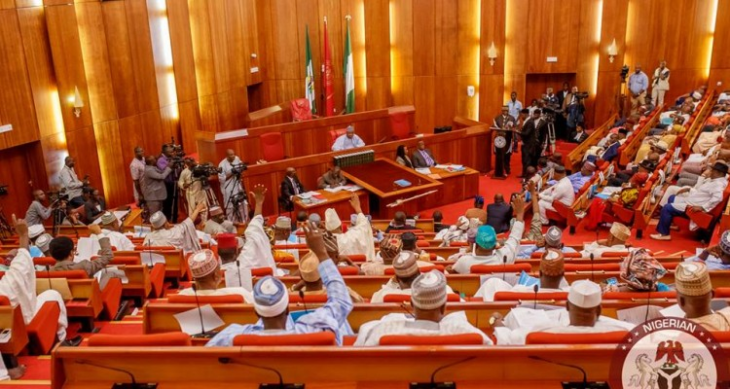
Nigerian senators who once watered down mandatory electronic transmission of election results have performed a dramatic about-face, now demanding real-time digital upload to INEC’s IReV portal after the ruling APC denied dozens of them return tickets in controversial primaries.
The reversal, which political insiders are calling the “primary election effect,” has injected fresh urgency into the long-stalled Electoral Act Amendment Bill as the National Assembly races to harmonise its version before the 2027 general elections. What began as a technical legislative dispute has now become deeply personal for lawmakers who say they witnessed first-hand how opaque collation processes can be weaponised against sitting office holders.
Why Senators Changed Their Minds on Electronic Results
The shift in attitude traces directly to the APC primaries held in May 2026, where several prominent senators—including Ned Nwoko of Delta North, Jibrin Isah of Kogi East, and Muhammad Goje of Gombe Central—lost their bids for return tickets under circumstances they describe as irregular and manipulated. Senator Isah alleged that electoral materials were hijacked in his district, while Goje was trounced by a retired police officer in a primary many observers viewed as predetermined.
These were the same lawmakers who, in February 2026, either voted to strip the “real-time” requirement from the electronic transmission clause or defended the Senate’s decision to retain INEC’s discretionary powers over how results move from polling units to collation centres. The upper chamber had replaced the compulsory real-time upload with a softer provision allowing manual Form EC8A to become the primary source whenever “communication failure” occurred—a loophole civil society groups warned would invite abuse.
Now, having tasted what they call the “bitter pill” of manual manipulation, the frustrated senators say they understand why Nigerians have been protesting outside the National Assembly for months.
What the New Push Means for the 2027 Elections
Senator Enyinnaya Abaribe, who led a group of 13 senators in February to clarify that the chamber had not outright rejected electronic transmission, is now reportedly rallying colleagues across party lines to back a stricter version of Clause 60(3). The proposed amendment would make it mandatory for presiding officers to upload polling unit results to the IReV portal immediately after signing Form EC8A, with no escape clause for alleged network failures.
The House of Representatives had already passed this stronger language in its own version of the bill. The challenge now is whether the Senate’s newfound conviction can survive the conference committee process, where both chambers must reconcile their texts before the bill reaches President Bola Tinubu for assent.
Yiaga Africa and the Conference of Nigerian Political Parties have welcomed the senators’ change of heart but remain cautious. They point out that the same lawmakers who are now championing transparency were, just four months ago, explaining away the removal of safeguards that would have prevented the very irregularities they now claim to have suffered in their primaries.
Can the Senate Be Trusted This Time?
The question hovering over the National Assembly is whether this U-turn is genuine reform or political survival. With the 2027 elections approaching and the APC’s ticket allocation exposing fault lines within the party, senators who lost their platform may be seeking to ensure that whatever platform they run on next—whether as opposition candidates or under new parties—will compete on a level playing field.
Senator Godswill Akpabio, the Senate President, has yet to publicly comment on the renewed push, but sources within the chamber say the leadership is under pressure to schedule an emergency reconsideration of the transmission clause before the August recess. The anti-defection provisions embedded in the Electoral Act 2026, which ironically trapped some of its own architects, have left many lawmakers politically homeless and unusually receptive to electoral reforms they once resisted.
For Nigerian voters, the irony is impossible to miss: the same Senate that told citizens in February that Nigeria’s infrastructure could not guarantee real-time electronic transmission is now, in June, insisting that nothing less will do. Whether that conviction holds when the bill returns to the floor—or whether it crumbles under executive pressure—will determine if the 2027 elections finally deliver the transparency Nigerians have been demanding since 2023.