





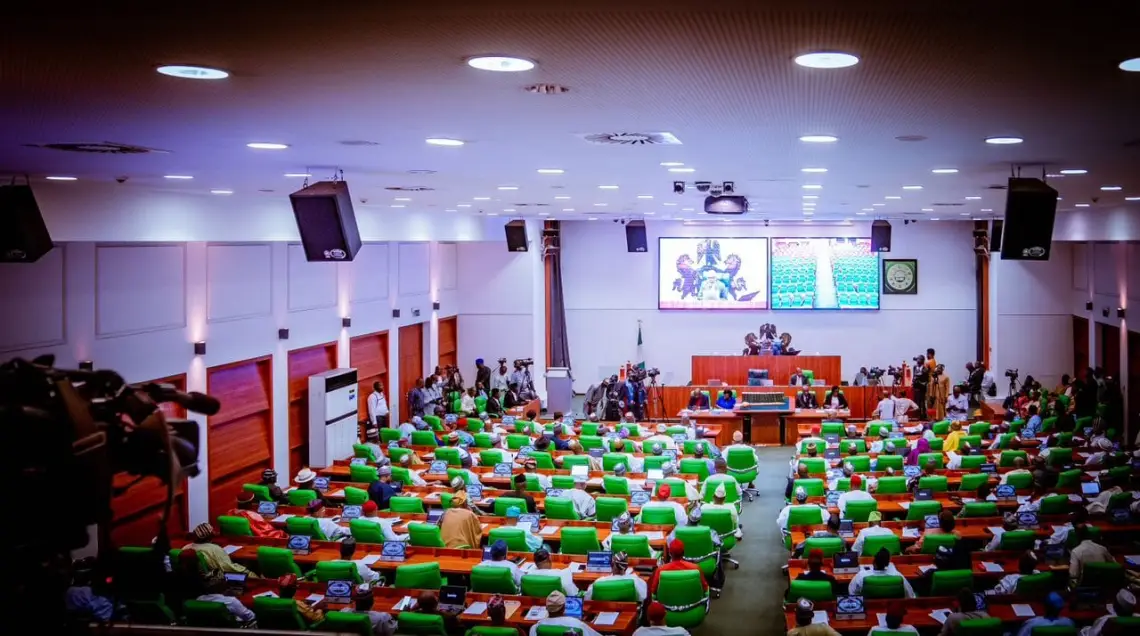
The House of Representatives is set to vote today on 37 constitutional amendment bills that could reshape how Nigeria conducts elections, secures its people, and runs its local governments. Lawmakers in the green chambers are expected to decide on a wide package covering electoral reforms, state police, local government autonomy, judicial efficiency, and other long-standing governance issues.
Nigerians have waited years for meaningful changes to the 1999 Constitution. These bills touch areas many ordinary citizens complain about daily — from insecurity in communities to delays in court cases and weak local councils. The vote comes after months of public hearings across the six geopolitical zones.
Key Electoral Reforms in the Constitutional Amendment Bills
Among the proposals are changes that would allow independent candidates to contest elections at all levels. To qualify, a candidate would need verified signatures from 10 percent of registered voters in two-thirds of the relevant areas, with INEC or SIEC handling verification. Women candidates stand to get a 50 percent fee waiver.
Another bill seeks to strengthen State Independent Electoral Commissions by setting clear criteria for members — non-partisanship, integrity, and age — and giving them independent rule-making powers without needing the governor’s approval. Their roles would expand to include voter education, campaign monitoring, and overseeing party primaries.
A third electoral bill proposes creating a dedicated Electoral Offences Commission with its own funding from the first-line charge. It would investigate and prosecute electoral crimes more effectively.
State Police and Security Reforms Nigeria Needs
One of the most talked-about bills is the one to establish state police. It would amend references to the “Nigeria Police Force” in the Constitution to simply “Police,” paving the way for states to have their own forces while keeping federal oversight.
Lawmakers also want to place funding for the Armed Forces on the first-line charge, similar to INEC and the judiciary. This aims to give the military more financial stability.
Many Nigerians see state police as a practical step toward better community security, though some remain cautious about how governors might use the new powers.
Local Government Autonomy and Third Tier Recognition
Several bills focus on local governments. One key proposal recognises local government councils as a distinct third tier of government, adjusting federalism and legislative powers accordingly.
There is also a bill to create independent State Auditors-General for local governments and FCT area councils. Another seeks to guarantee that every local government in a state has at least one representative in the state House of Assembly.
These changes, if passed and implemented, could reduce the frequent complaints about state governors controlling local government funds and elections.
Judicial Reforms and Other Proposed Changes
The package includes measures to ease the burden on the Supreme Court, making it more of a policy court while speeding up election petition resolutions. Appeals to the Supreme Court would generally require leave, except in presidential and vice-presidential matters. There are also timelines — such as 360 days — for disposing of appeals.
Other notable bills cover special temporary seats for women in the Senate, House of Representatives, and state assemblies through an electoral college system. There are proposals on spousal citizenship rights, citizenship by investment, protection for children and the unborn, the right to a clean environment, and rules against parading suspects publicly.
Traditional institutions would get a Council of Traditional Rulers at state level and at least 5 percent of local government funds for their operations.
The full list runs to 37 bills across electoral, judicial, security, local government, legislative, and rights areas. Passage in the House requires a two-thirds majority. The bills would then move to the Senate, need approval by at least 24 state Houses of Assembly, and finally presidential assent before becoming law.
Reactions on social media have been mixed but largely hopeful. Some users called the package “a game changer” and “historic,” while others stressed that implementation will determine success. A few expressed concern that certain bills might benefit elites more than ordinary Nigerians.
House leaders have described the day as significant for the country’s future. Whether the bills scale through today remains to be seen, but the sheer number and scope signal a serious attempt at structural reform.