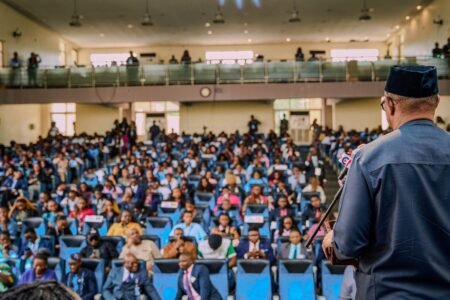







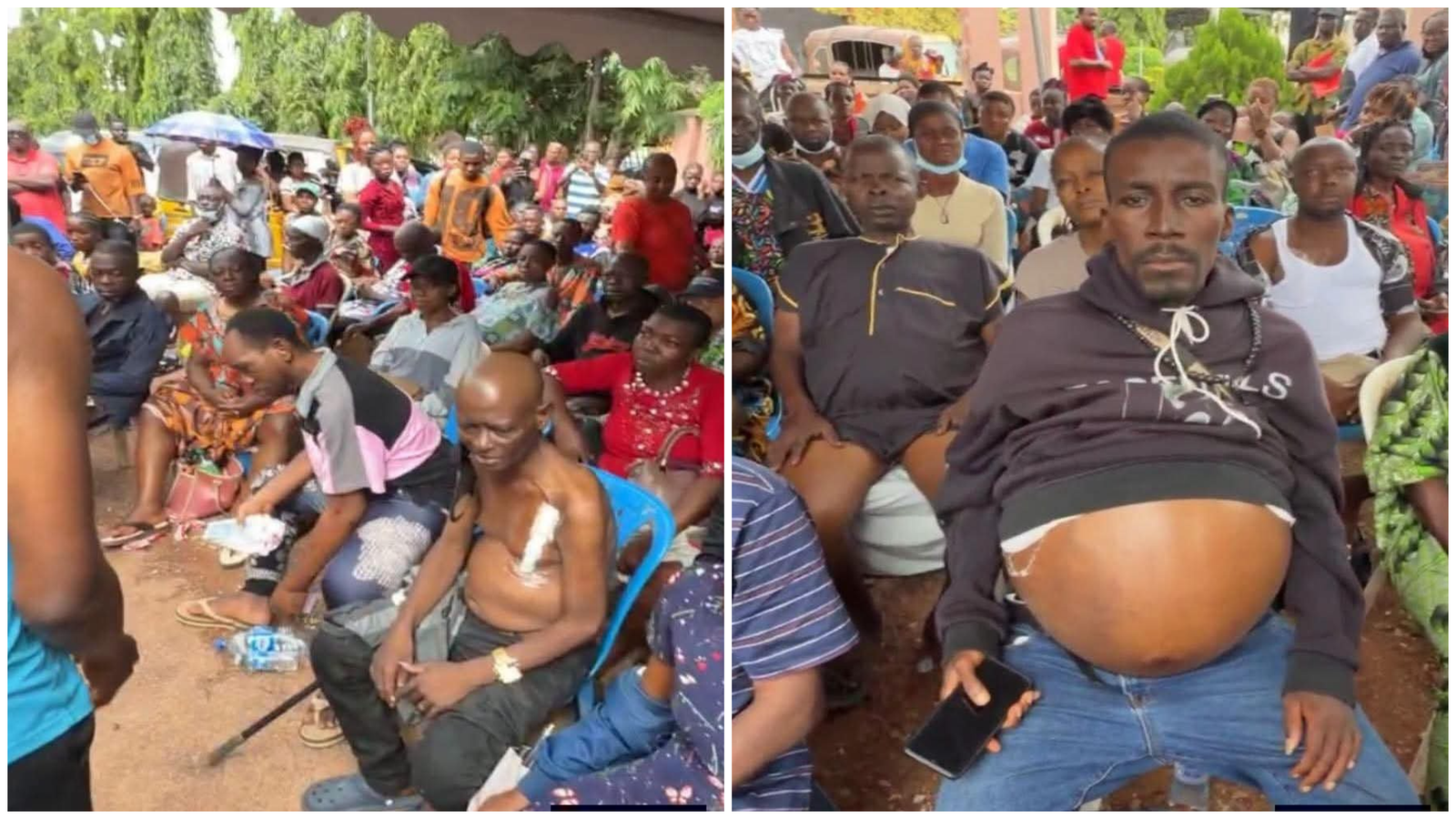
Over 500 kidney disease patients gathered at the Enugu State University Teaching Hospital (ESUTH) Parklane in Enugu on Thursday, August 13, 2026, making a passionate plea for urgent financial assistance and lifesaving medical interventions. Responding to a public call by popular Enugu-based broadcast journalist and philanthropist Okwuluora (Wisdom Nnamdi Eze), hundreds of patients and their families converged on the premises in hopes of receiving aid from benevolent donors and well-wishers.
What drove over 500 kidney patients to converge at Parklane Enugu?
The gathering presented a distressing spectacle as men, women, and young children displayed visible physical signs of advanced renal failure, including severe abdominal bloating, fluid retention in limbs, and physical exhaustion resulting from delayed dialysis treatments. Many families disclosed that the escalating cost of medical care—where a single session of hemodialysis ranges between ₦45,000 and ₦70,000 alongside expensive routine medications—has completely exhausted their savings, forcing them to suspend life-sustaining care. Among those present was a 13-year-old boy who traveled with his mother from Akure, Ondo State; his mother revealed she had sold all her property and assets to maintain his dialysis routine over the past five years before running out of funds.
Health advocates and medical professionals present at the venue expressed deep concern over the sheer volume of patients, emphasizing that chronic kidney disease (CKD) has reached crisis levels across the region and Nigeria at large. They noted that the lack of public health insurance coverage for long-term renal replacement therapy and kidney transplants leaves low- and middle-income families severely vulnerable to financial ruin. As philanthropic interventions offer temporary relief for a fortunate few, medical experts urged federal and state governments to subsidize renal care and expand national health insurance coverage for catastrophic illnesses.
“The sheer number of patients gathered today reveals a silent health emergency. Families are selling off everything they own just to stay alive, making urgent government intervention and public subsidies a matter of life and death.”
The large turnout at Parklane has reignited public dialogue regarding health sector reforms and healthcare funding in Enugu State. As philanthropic teams compile medical records to distribute available funds to critical cases, civil society groups continue to advocate for systemic healthcare financing solutions. Will state and federal health authorities implement sustainable subsidies for kidney care to alleviate the financial burden on vulnerable families?