
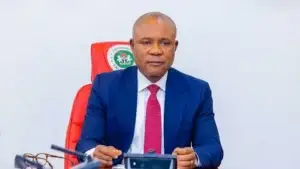





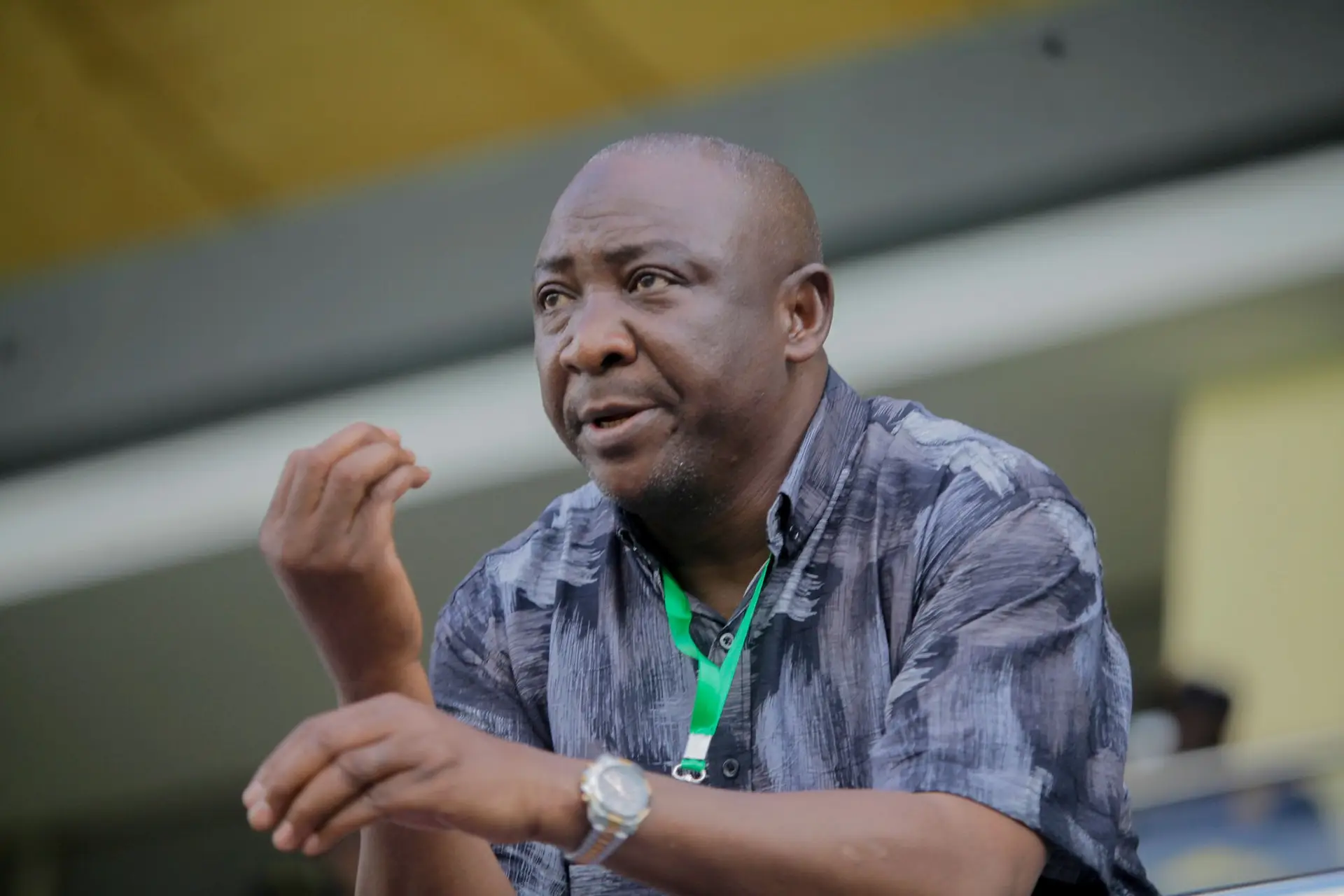
Nigeria Football Federation (NFF) President Ibrahim Musa Gusau has announced his resignation, alongside members of the executive committee, following mounting pressure from the Federal Government and football stakeholders over the decline of Nigeria’s national teams.Gusau confirmed the decision during a press briefing in Abuja on Thursday, August 27, 2026, ending days of speculation after the National Sports Commission (NSC) reportedly issued a 24-hour ultimatum demanding the board’s resignation.
What led to the 24-hour ultimatum and resignation of the NFF board?
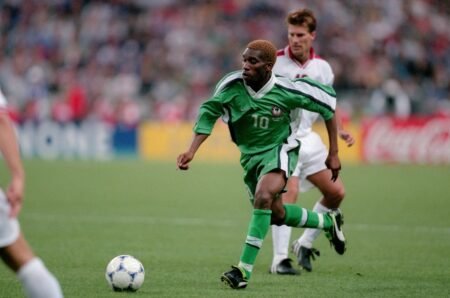
The leadership crisis erupted following a series of continental and global qualification failures across Nigeria’s senior and youth teams.The Super Falcons suffered an early exit at the 2026 Women’s Africa Cup of Nations (WAFCON) before losing their play-off match against South Africa, marking the first time in history that Nigeria failed to qualify for the FIFA Women’s World Cup.That setback followed the Super Eagles’ failure to secure a place at the 2026 FIFA World Cup after losing on penalties to DR Congo in the African play-off final.
“In leadership, ultimate accountability rests with the executive head. The recent disappointments recorded by our senior national teams—most notably the failure of both the Super Eagles and Super Falcons to secure World Cup qualification—have deeply saddened Nigerians. In deference to the national interest and the restructuring efforts initiated by the government, I am stepping aside.”
The intervention by the Federal Government followed a preliminary report submitted on August 21 by a presidential fact-finding committee chaired by former NFF General Secretary Fanny Amun.The investigation cited administrative lapses, poor technical planning, and financial management concerns within the federation. In response to the growing public outcry and calls for institutional reform, the NSC convened high-level meetings with the Presidency and the Chief of Staff to the President, Rt. Hon. Femi Gbajabiamila.
“Nigerian football requires a comprehensive overhaul, from grassroots development to our senior national team structures. We accept the findings of the fact-finding committee and hope this transition allows for a renewed foundation that restores Nigeria’s standing in continental and world football.”
With the resignation of the board, the NSC is expected to announce an interim management committee to oversee football operations and coordinate upcoming electoral proceedings. Stakeholders across the sports industry have urged the government to ensure that future governance structures prioritize technical competence, financial transparency, and youth academy development. Will the departure of the Gusau-led board usher in long-term structural reforms for Nigerian football?