






KANO — There is a myth about Northern Nigeria that refuses to die. It whispers that when the sun sets and the Maghrib call fades into the humid savannah air, the ancient cities of the north pull down their shutters, lock their doors, and disappear into a silent, prayerful slumber.
The myth is wrong. Gloriously, deliciously, wrong.
The truth is waiting for you at 11 PM on Zoo Road in Kano. It is not in a hidden basement or a secret speakeasy. It is right there, in plain sight, bathed in the fluorescent glow of a thousand light bulbs. The air smells of burning charcoal, sizzling tsire, and rebellion.
This is the “Bubbly North.” And it is hungry. Literally.
The Suya Supremacy
Forget the velvet ropes and bottle service of Lagos. The currency of northern nightlife is not champagne—it is grilled meat.
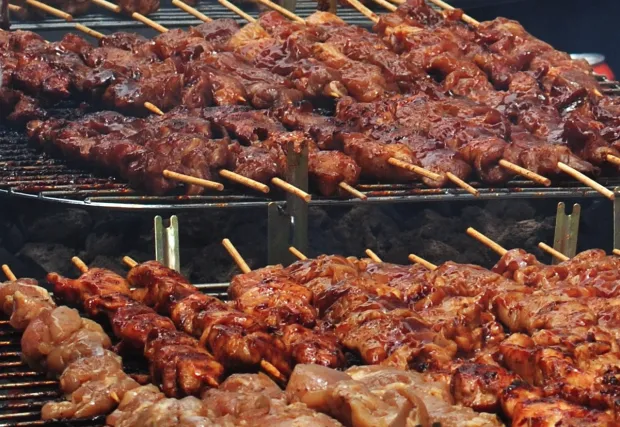
At Mandawari, arguably the kingdom of Kano’s after-dark economy, the night does not begin with a DJ drop. It begins with a slaughter. Four cows, every single day, reduced to sizzling kebabs by a workforce that clocks in at 2 PM and does not see their beds until 3 AM. They serve over a thousand customers nightly, a logistical miracle hidden behind clouds of smoke and the intoxicating aroma of yaji spice.
“Suya gives me peace of mind,” confesses a regular, Alhaji Nazifi Dandago, waiting patiently for his order as the grill master fans flames higher.
But this is not just food. This is the social glue of the north. Around these dazzlingly lit roadside stalls, you will find the city’s pulse. The politician whispering strategy, the trader counting his daily profits, the young lovers sharing a plastic chair. The nightclub culture of the south feels foreign here. The north prefers its nightlife democratic—served on a wooden stick, shared under the stars.
The Mall and the Hidden Lounge
Yet, to say the north lacks glamour is to ignore the subtle evolution happening at places like the Ado Bayero Mall. After dark, this retail hub transforms into a carnival. Children scream on battery-operated rides, families eat ice cream, and the youth gather to simply be seen.
But if you know where to look, there is more.
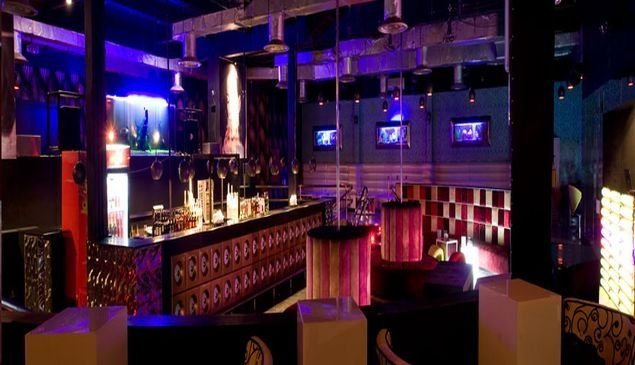
Whispers circulate on encrypted WhatsApp groups about “Barcode Lounge” in Kaduna. Critics call it “prestige and class.” Patrons call it a sanctuary. It opens its doors at 8 PM, and for those few hours before dawn, it offers a reality you aren’t supposed to find in the conservative north. The comments on its listings are a secret language of survival: “Lit,” “Dope,” “Crazzzyyyy.”
Further north, in the historic city of Kano, Antika lounge offers a compromise. The dresses are longer here. The sleeves cover the arms. The makeup is subtle. But walk into the bathroom—specifically designed with marble walls, gold fixtures, and tropical wallpaper for the ultimate mirror selfie—and the facade of conservatism melts.
These are the “selfie rooms.” In Lagos, they are decadent. In Kano, they are radical. A young woman adjusting her hijab just so, tilting her phone to catch the light, posting a picture that says “I am here. I am modern. I exist.” Without a word of protest. Without a broken law. It is a quiet revolution fought with ring lights and Instagram grids.
The ‘Oniparo’ of the Night
There is a third layer to this northern darkness, one with less glitter but more grit.
While the youth are posing in malls and the traders are devouring suya, a silent economy keeps the lights on. On the side of major roads, under buzzing generator-powered bulbs, the Fura da Nono sellers have taken over the night shift.
This traditional millet drink—cool, spicy, and nutritious—used to be a daytime commodity. Now, stands are popping up specifically for the night crowd.
“I sold my clothes to raise capital for this,” admits Hafiz Sani, who runs a thriving juice and fura stand in the Maidile district of Kano. His customers are mostly young, mostly newly married couples who prefer the cool evening air to the heat of the day. “We have to be patient and keep our customers happy,” he says, summarizing the spirit of the northern night worker.
They are the night’s unsung heroes. The men selling jerseys at the floodlit football pitches where young men play into the midnight hour. The fruit vendors who have stayed open for twenty years, putting children through school one sliced mango at a time. They are the Oniparo of the north—the ones who exchange sleep for survival.
The Shadow of the Law
Of course, this vibrant world dances on a knife’s edge. The NDLEA is watching. Everywhere. The fear of “drug-themed parties”—which recently saw the dramatic arrest of Lagos club owner Pretty Mike and the seizure of hundreds of kilos of Canadian Loud—looms large. While northern lounges operate within stricter cultural boundaries, the anxiety is real. A party that goes “too loud” or a patron caught with the wrong substance can shutter a business overnight.
And then there are the Yan Daba—the phone snatchers who prey on the distracted. “Security remains the biggest concern,” admits Hassan Abdullahi, a Kano resident. “But people still come out. This is their only time to relax.”
In the south, you party to forget the stress of the day. In the north, you gather to remember who you are. You eat suya to taste tradition. You take a bathroom selfie to claim modernity. You sell fura at midnight to build a future.
The north never sleeps. It just dreams differently