






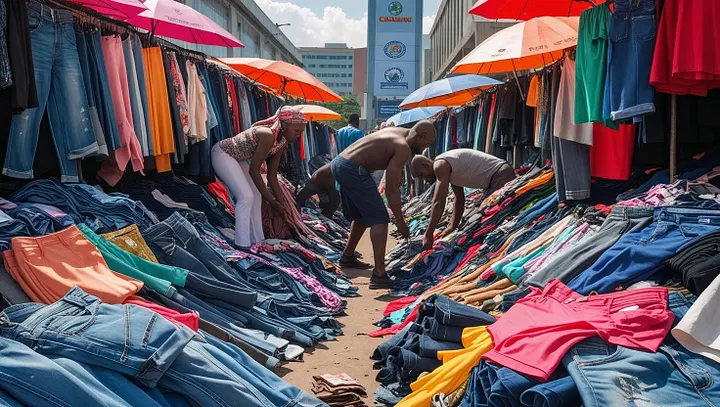
LAGOS — There is a specific sound to revolution in Nigeria. It is not the boom of a cannon or the rustle of a protest placard. It is the frantic, rhythmic rustle of hands digging through a bale of compressed clothing at 6:47 AM in the sprawling Katangua Market.
Just ask Funmi, a 22-year-old content creator who recently showed up to a high-end Victoria Island lounge wearing a vintage 1980s blazer she rescued from a heap of discarded Western suits. The total cost of her outfit? Less than the cover charge for the club.
“I don’t want to wear what everyone else is wearing. With Okrika, I find pieces that have better quality than what’s in the malls today. It’s original. It’s durable. And it’s mine.”
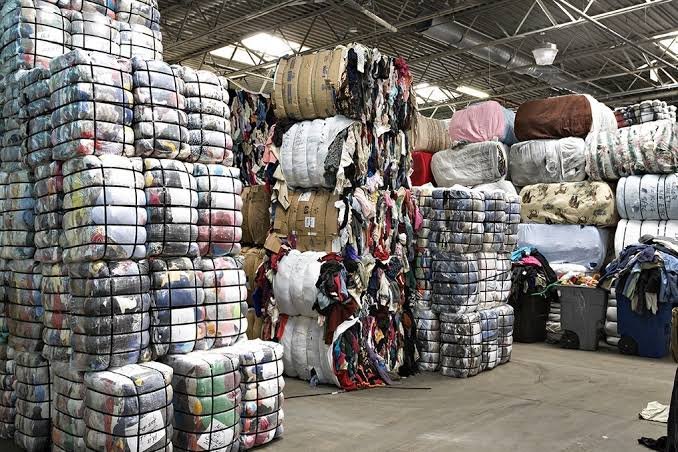
Forget what you thought you knew about the “Bend-Down-Select” market. The term “Okrika”—once whispered with the shame of economic necessity—has been stolen, rebranded, and weaponized by Nigeria’s Gen Z and Millennials. It is the ultimate badge of cool, and the global fashion industry is only now waking up to the fact that they have lost control.
Welcome to the thrift vote.
The Insurgency of the Bale
A decade ago, buying “used” meant you couldn’t afford “new.” In 2026, buying “new” means you lack imagination—and perhaps a brain, given the economics.
When the naira’s fluctuating exchange rates of the mid-2020s turned “Foreign Designer” price tags into cruel jokes, the Nigerian youth didn’t just grumble. They pivoted. They turned to the bales.
But this isn’t your father’s thrifting. This is a high-stakes, adrenaline-fueled art form. It is the “30-year-old blazer” from Japan paired with N2,000 “mom jeans” from an Instagram thrift vendor. It is an aesthetic that outshines a N150,000 boutique outfit because—and this is crucial—it cannot be duplicated.
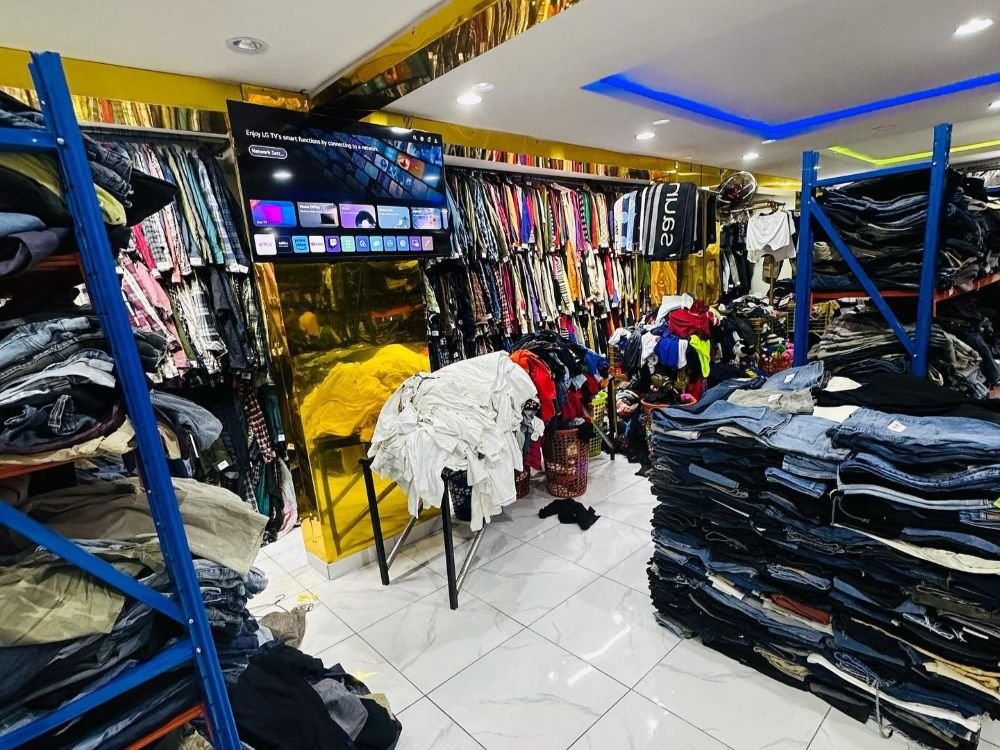
Walk through the makeshift studios of Lagos, and you will see the new architects of fashion: the “Thrift Influencers.” These digital entrepreneurs wake up at 5:00 AM to “drag” the best pieces from the bales. They wash, steam, and stage high-fashion photoshoots for TikTok grids. They have removed the stigma of the market entirely, selling vibes like “Y2K Lagos” and “Dark Academia”—all sourced from the same heaps our parents visited out of necessity.
The Rebellion of the Loom
But the revolution is not only happening in the second-hand piles of imported polyester. It is happening in the quiet, dusty town of Iseyin, 200 kilometers from the chaos of Lagos.
Bare-chested, his tattooed biceps glistening under a brutal sun, Francisco Waliu sits at a wooden loom. Ten years ago, he was a singer in Lagos nightclubs. Today, he is a guardian of the future. The click-clack of his machine is the heartbeat of the Aso-Oke resurgence.
“If you use a machine to weave Aso-Oke, it won’t come out as nice. People have tried it before, and it did not work. It is meant by God to be handwoven.”
In a world obsessed with automation and speed, Nigeria’s traditional weavers are resisting. Hard. And the world is noticing.
Aso-Oke—the thick, vibrant “cloth from up country”—has become a staple on runways from London to Paris. When Meghan Markle donned an Aso-Oke wrapper during a visit to Nigeria, the global signal was clear: authenticity is now the ultimate luxury.
Yet, a shadow looms. Over in Iseyin, they watch with quiet fury as Adire—the iconic tie-dye fabric—is being suffocated by Chinese counterfeits. The monarchs are now begging the Federal Government to step in, to save the looms before the machines eat them alive.
The Secret Army of ‘Oniparo’
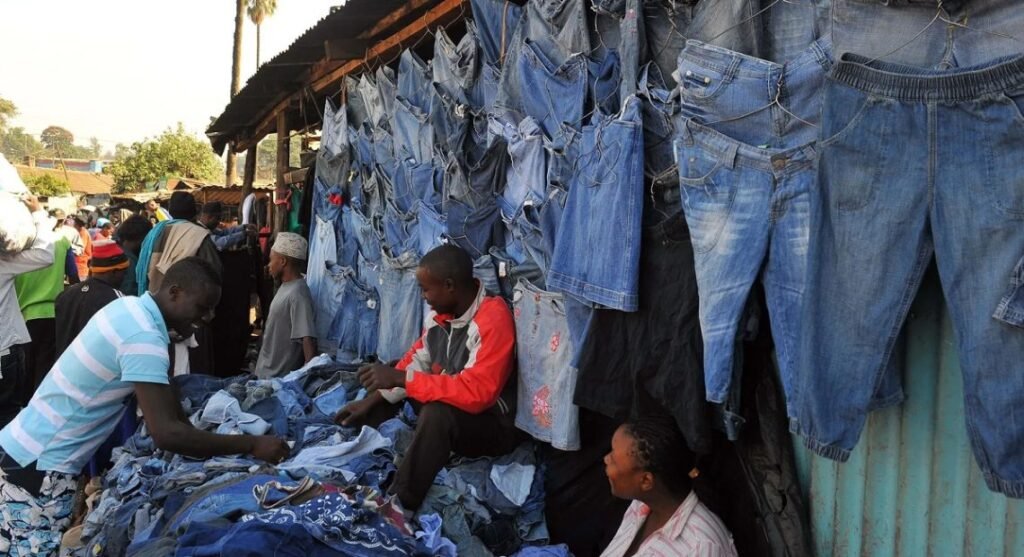
There is a third player in this war against fashion waste, though she rarely gets an invitation to the gallery openings.
She is the Oniparo.
Her name is not glamorous. It is Yoruba for “one who exchanges.” She is the woman you see pushing a cart or a rickety bus, moving from house to house. “Any old clothes? Any used shoes? I will give you a bucket!”
For decades, we ignored her. We called her a scavenger. But the UNEP has finally done the math, and the numbers are terrifying: 92 million tonnes of textile waste are generated globally every year. A truckload of clothing is incinerated or dumped in a landfill every second.
And who was fighting this fire? The Oniparo.
These women are the pioneers of the circular economy in Nigeria. They are not just collectors; they are the gatekeepers of affordable climate action.
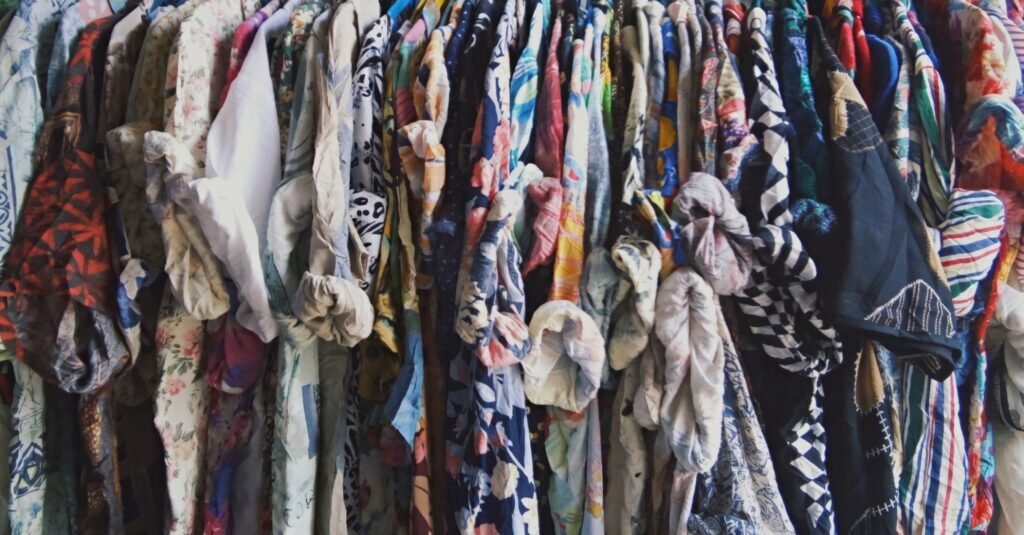
Yet, this army is dying. Climate change—unpredictable heatwaves and rains—is breaking their mobility. The youth’s obsession with “new fast fashion” is starving their supply. The new Oniparo Project is a race against time to document these women, to prove that the solution to textile waste isn’t a high-tech machine in Europe; it is the old woman down the street with the pushcart and the sharp eye for a quality stitch.
The edges of fashion are blurring. The thrifter, the weaver, and the collector are now the tastemakers. In the streets of Lagos and Abuja, the message is deafening: Your net worth doesn’t buy style anymore. Your hustle does. True fashion isn’t found in a sterile showroom. It is discovered—drenched in sweat, scattered across a dusty tarp, at the break of dawn. It is the hunt. And the hunt is just beginning.