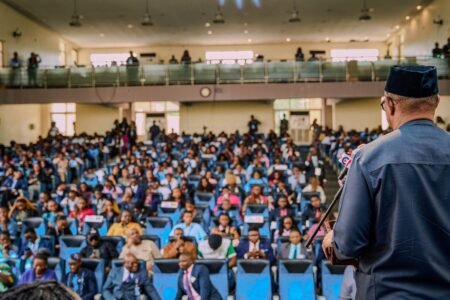




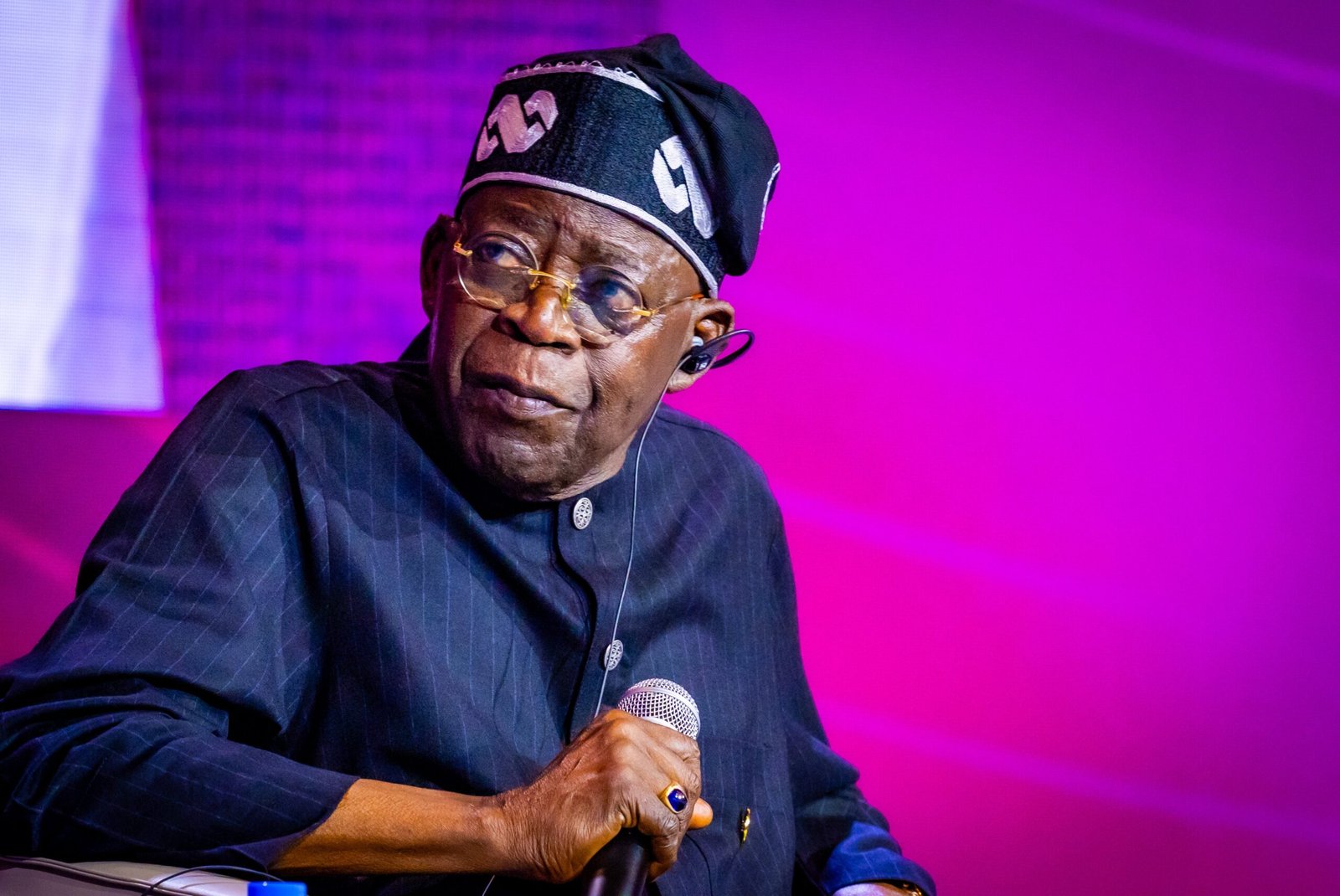
Kigali, Rwanda – President Bola Ahmed Tinubu used his participation at the 13th Africa CEO Forum to forcefully advocate for deeper intra-African trade, robust implementation of the African Continental Free Trade Area (AfCFTA), and Nigeria’s ongoing economic reforms under the Renewed Hope Agenda. The two-day summit, which ended on Friday, May 15, 2026, under the theme “Scale or Fail: Why Africa Must Embrace Shared Ownership,” brought together over 2,000 African leaders, investors, and policymakers to tackle the continent’s $1.6 trillion development financing gap and the embarrassingly low 18 percent intra-African trade ratio.
Arrival in Kigali and Bilateral Talks with President Kagame
The Nigerian leader arrived in Kigali on Wednesday, May 13, directly from Nairobi where he had attended the Africa Forward Summit co-hosted by Presidents William Ruto of Kenya and Emmanuel Macron of France. He was received at Kigali International Airport by Rwanda’s Minister of Defence, Juvenal Marizamunda, and Nigeria’s Foreign Affairs Minister, Ambassador Bianca Ojukwu. Hours later, President Tinubu held bilateral talks with his Rwandan counterpart, President Paul Kagame, at the Urugwiro Presidential Village. The discussions centred on expanding bilateral trade, improving logistics, and exploring a flat-rate shipping arrangement with RwandAir to help Nigerian businesses move goods more predictably across the continent. Both leaders reaffirmed their commitment to the AfCFTA as a vehicle for giving African entrepreneurs the scale they need to compete globally.
In a detailed statement issued after the meeting, President Tinubu declared: “Nigeria and Rwanda understand what this moment requires. Africa must trade more with itself, move goods faster, connect its markets better, and give its entrepreneurs the continental scale they need to compete.” He noted that Nigeria will host the AfCFTA Council of Ministers and Digital Trade Forum in June and looks forward to welcoming the continent to the Intra-African Trade Fair (IATF) and CANEX in November 2026 and 2027.
Presidential Panel: Putting Africa First
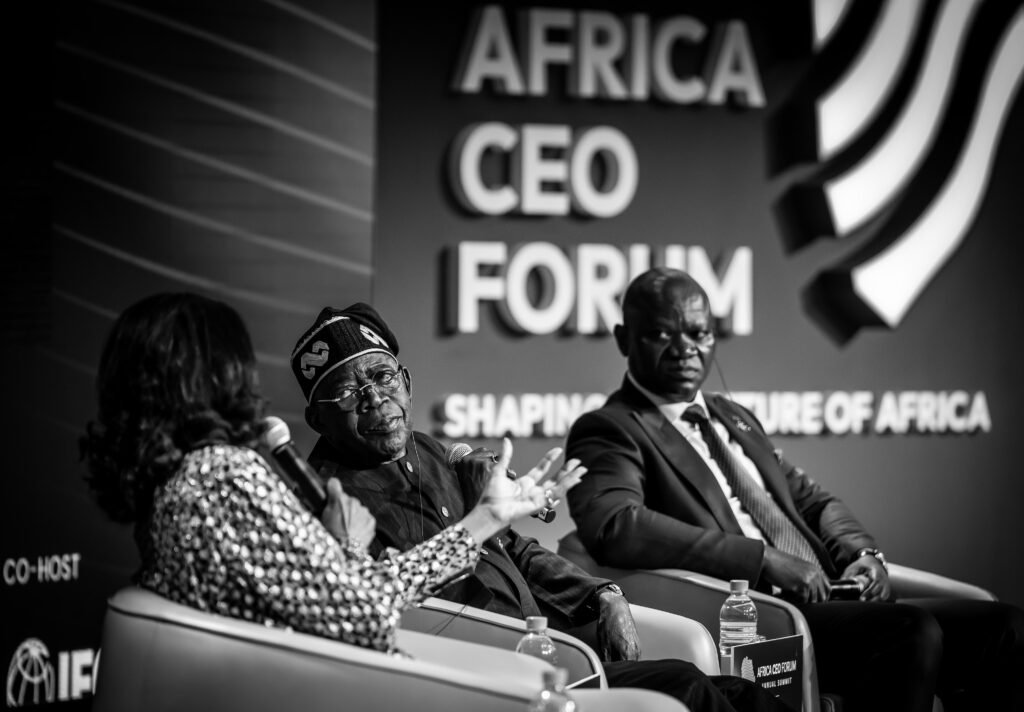
The President’s most high-profile appearance came during the Presidential Panel on Thursday evening. Speaking alongside other African heads of state, he insisted that “Africa must put Africa first” by investing in one another, building connecting corridors, and supporting the continent’s youthful population. He told the audience that Nigeria’s reforms—though painful in the short term—are designed to position the country to lead tomorrow’s Africa. “Nigeria’s reforms are not only about fixing yesterday. They are about preparing our economy to lead in the Africa of tomorrow,” he said.
President Tinubu also met with a high-level delegation from the International Finance Corporation (IFC), led by Managing Director Makhtar Diop, on the sidelines of the forum. He welcomed IFC’s support for a public-private partnership (PPP) infrastructure pipeline to close Nigeria’s estimated $14 billion annual urban infrastructure deficit. The discussions covered urban development, energy access, MSME financing, and local-currency solutions—key pillars of the Renewed Hope Agenda.
Reassurance to Nigerian Community in Rwanda
Later on Friday, the President addressed the Nigerian community in Rwanda, thanking them for their contributions and assuring them of government support. He also used the platform to reiterate his administration’s commitment to risk-takers and value-adding industries. In one widely circulated clip from the panel, he praised billionaire Aliko Dangote’s refinery, noting that without such local champions Nigeria would have struggled to survive global crises like the one in Iran. “No one can take metal out of Nigeria without adding value,” he declared, signalling a firm policy against raw mineral exports.

Mixed Reactions Back Home Over Panel Moments
The visit has, however, generated mixed reactions back home. While many Nigerians praised the President’s emphasis on sovereignty, AfCFTA implementation, and practical partnerships, some social media users seized on brief moments during the panel when he appeared to pause or lose his train of thought. One viral clip showed a moderator playfully telling the President to “put the mic where your mouth is” after he urged Africa to “put its money where its mouth is.” Another clip captured him momentarily at a loss when challenged on why African leaders have not yet established a continental trading platform despite repeatedly calling for one. Critics described the exchanges as “shameful” and “incoherent,” arguing they undermine investor confidence. Supporters, however, dismissed the criticism as politically motivated, insisting the substance of the message—continental self-reliance and hard-nosed reforms—matters more than style.
Political commentator Morris Monye captured the divided sentiment when he quipped that the interviewer “will lose her job if it’s here,” referring to the light-hearted mic remark.
Strategic Diplomatic Push for Nigeria’s Economic Future
Analysts say the Kigali engagement fits into a broader diplomatic offensive. This was the final leg of a three-nation trip that also took the President to France and Kenya. By positioning Nigeria as a champion of AfCFTA, a reliable host for major continental events, and a destination for serious capital, the administration hopes to attract the long-term investment needed to close infrastructure gaps and create jobs for the country’s youthful population.
As the President prepares to return home, the message from Kigali remains consistent: Africa’s future will not be built by speeches alone but by trade, investment, innovation, and the courage to trust one another’s markets. For Nigeria, the Renewed Hope Agenda is no longer a slogan—it is a continental project that demands both domestic sacrifice and regional solidarity.
Whether the viral clips or the substantive policy announcements dominate public discourse in the coming days will depend on how effectively the government communicates the outcomes of this trip. What is not in doubt is that President Tinubu has once again placed Nigeria at the centre of the conversation on Africa’s economic renaissance.