






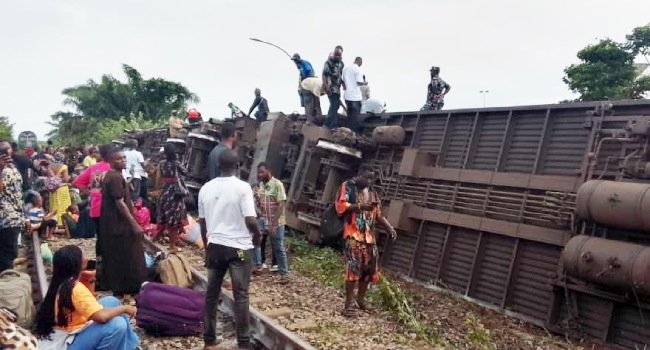
Three people lost their lives when a train derailed along the Warri-Itakpe corridor in Agbor, Delta State, on Monday evening. The incident has left many Nigerians asking tough questions about rail safety, especially as more people turn to trains for affordable travel between the South-South and other parts of the country. Authorities moved quickly to the scene, but the tragedy has sparked fresh worries about the state of our railway infrastructure.
The Nigerian Railway Corporation (NRC) confirmed the derailment of the Warri-Itakpe Train Service involving four coaches that left the tracks around 7:30pm at kilometre 212+8m near Agbor. Emergency teams rushed in to help passengers, and all those on board have been accounted for. The presidency also issued a statement expressing sadness over the three confirmed deaths while urging everyone to wait for official updates from the NRC.
What caused the Warri-Itakpe train accident and how is the NRC responding?
Details about the exact cause remain under investigation, but past issues with vandalism and track conditions along this route have come up again in conversations among travellers and officials. The NRC’s managing director, Kayode Opeifa, said response teams were already on ground providing assistance, with a fuller statement expected soon. Delta State Governor Sheriff Oborevwiei directed local authorities to support rescue and medical efforts, and the National Emergency Management Agency stepped in to coordinate aid.
Nigerians who rely on this service for business and family visits say the news hit hard. “We just want to know it is safe to travel again,” one regular passenger told people close to the matter. Rail travel had been gaining ground as a cheaper option compared to road journeys plagued by fuel costs and insecurity. This derailment comes at a time when the government is pushing infrastructure upgrades, yet incidents like this remind everyone how fragile progress can feel.
The NRC has not suspended services outright but is closely monitoring the situation. Families of the deceased are being supported, though names have not been released publicly yet. Experts point out that while the line has seen improvements since it reopened, maintenance and security against vandals remain ongoing challenges in the region.
For now, the focus stays on investigation and ensuring no further risks. Nigerians expect clear answers and swift action so that confidence in the rail system does not erode further. This tragedy, though limited in scale compared to some past disasters, still stings because every life lost on public transport feels preventable in a country working hard to modernise.