





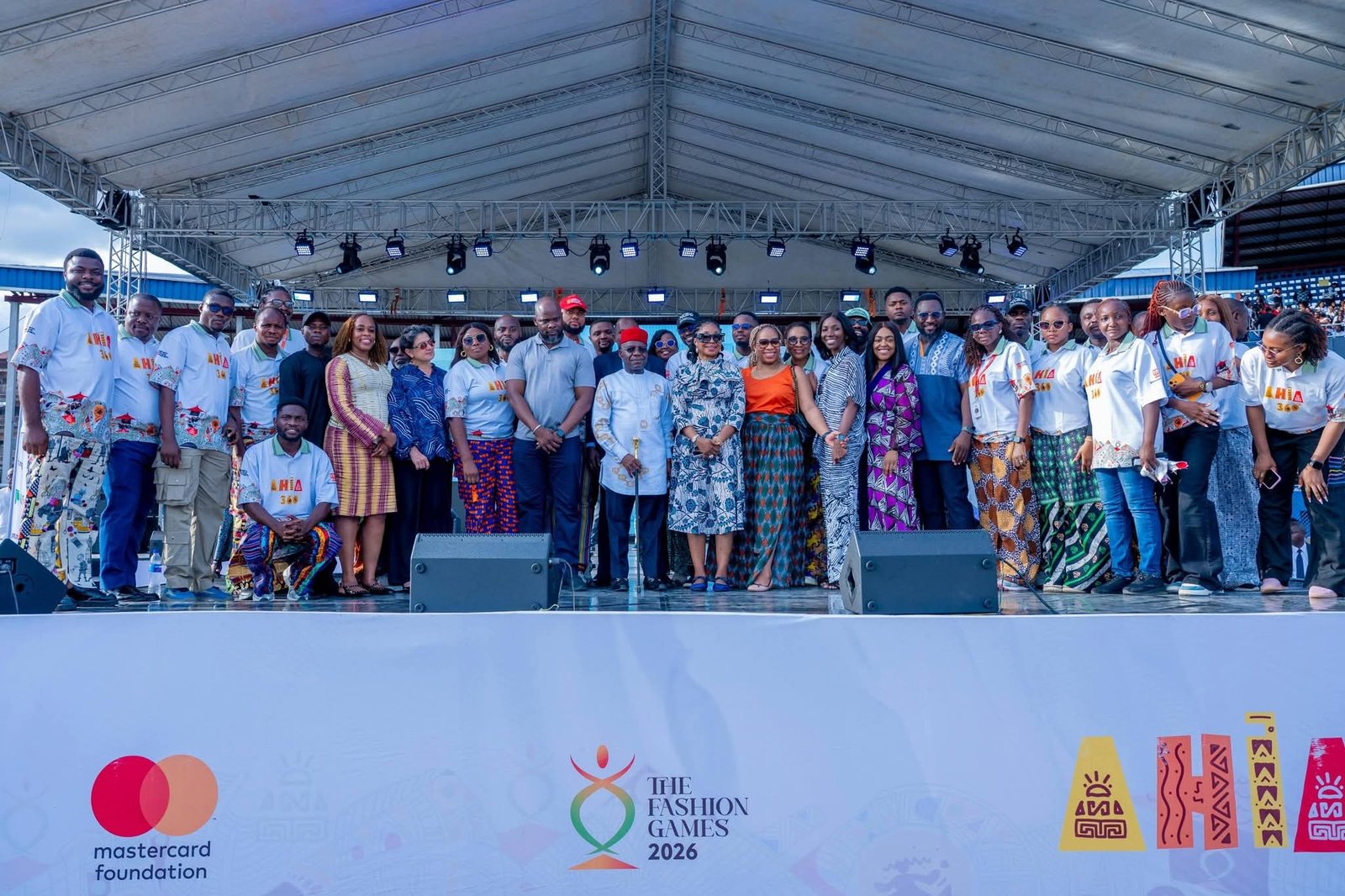
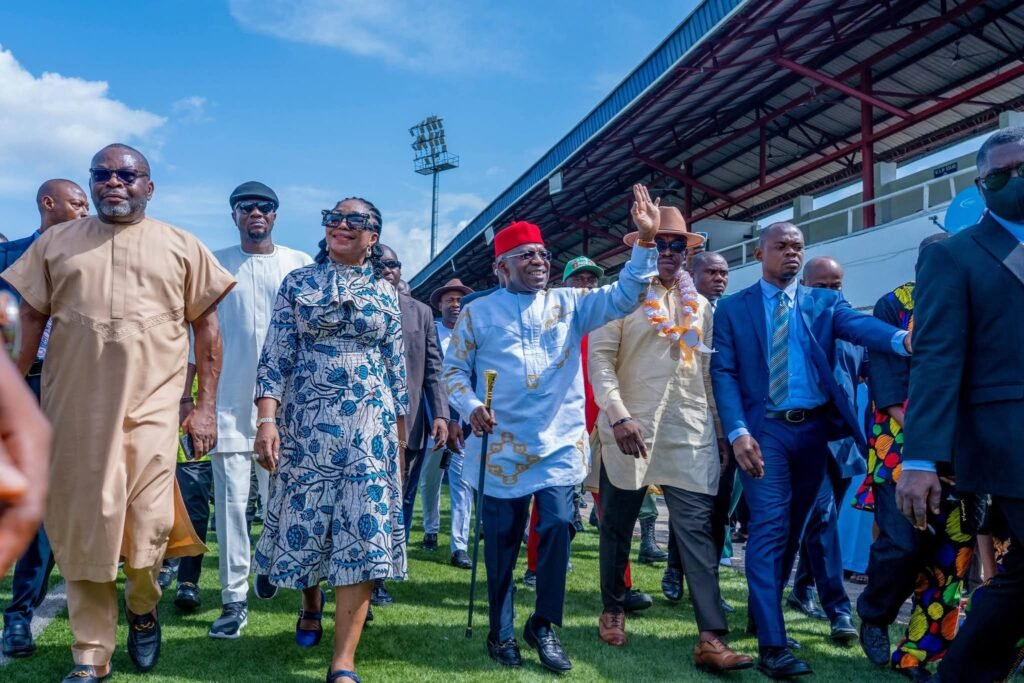
At a colourful event held at Enyimba International Stadium, Abia State Governor Dr. Alex Otti revealed plans for a sweeping “Made-in-Aba” initiative designed to thrust locally manufactured garments, leather goods, and lifestyle products into the national spotlight. Simultaneously, his administration will broaden a thriving youth empowerment scheme to enrol twice as many participants—scaling from 4,000 to roughly 8,000 young people. The dual announcement signals a deliberate strategy to wean the state’s economy off crude-oil dependence and restore Aba’s reputation as Nigeria’s industrial heartbeat.
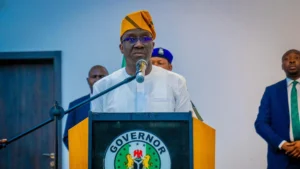
Addressing attendees during the graduation ceremony for Cohorts 3 and 4 of the Fashion Future Programme (FFP) on Wednesday, Otti said the forthcoming campaign would serve as a loudspeaker for “the ingenuity of our home-grown entrepreneurs and the vast economic dividends their goods deliver compared with imported alternatives.” He issued orders to activate the ENASCO factory to full capacity and to outfit production clusters statewide, with the fashion sector receiving priority attention. “We recognise where our natural strengths lie,” he remarked.
The FFP operates through a collaboration between Ethnocentrique Limited, the Mastercard Foundation, and the Abia State Government, operating under the “Ahia 360” umbrella. It immerses trainees in hands-on garment-making techniques, commercial literacy, and real-world enterprise experience. Hailing the scheme as “an exemplary model of raw talent being refined into market-ready expertise,” Otti committed to swelling its ranks from the present 4,000 graduates to approximately 8,000. “This represents a concrete pathway to absorb our young people, shrink joblessness and deprivation, and enlarge the government’s internal revenue collection,” he explained.
Irunna Ejibe, who heads Ethnocentrique Limited, stressed that the project transcends ordinary sewing instruction; its ambition is to prepare Aba-crafted merchandise for international shelves and worldwide acclaim. The programme has deliberately embraced participants living with disabilities—including those who are deaf or non-verbal—steering them toward self-sufficiency. Rosy Fynn, the Mastercard Foundation’s Country Director, lauded the alliance for its tangible imprint on young lives and broader economic progress.
Aba’s Unbroken Tradition of Craftsmanship
For generations, Aba has stood as a byword for resourcefulness. Its dense networks of tailors and cobblers—concentrated around the iconic Ariaria International Market—sustain livelihoods for scores of thousands of craftspeople turning out leather shoes, bespoke clothing, and assorted wares. “Made-in-Aba” labels have long vied with foreign stock, with tales of footwear produced here finding their way to Italy, only to be repackaged and sold as European-made. Even so, erratic electricity, scarce credit lines, and crumbling infrastructure have repeatedly choked expansion.
The Otti government has previously seeded recovery through ventures such as the Aba Export Growth Lab (backed by UNDP) and certification programmes for micro and small enterprises. The freshly unveiled campaign and the enlarged FFP extend these foundations, seeking to transform Aba into an internationally recognised fashion and manufacturing trademark while courting private capital through the state’s PPP & Investment Promotions Office.
Broader Economic Echoes
Authorities report that the initiative has already generated upwards of 1,000 positions, fortified women-led enterprises, and cultivated licensed quality inspectors. By arming young people with export-grade competencies and plugging them into distribution channels, the state anticipates curbing youth joblessness, lifting the non-oil sector’s share of economic output, and reasserting Aba’s claim as the continent’s creative nerve centre.
As graduating students marched their original collections across the stadium floor and visiting officials inspected the exhibits, the underlying declaration rang unmistakable: Aba is no longer merely fabricating commodities—it is reconstructing possibility itself. With the Made-in-Aba push drawing near and thousands more young people poised to enter the skills conveyor belt, Governor Otti’s blueprint amounts to a high-stakes wager that indigenous ability can power Abia’s coming prosperity.