






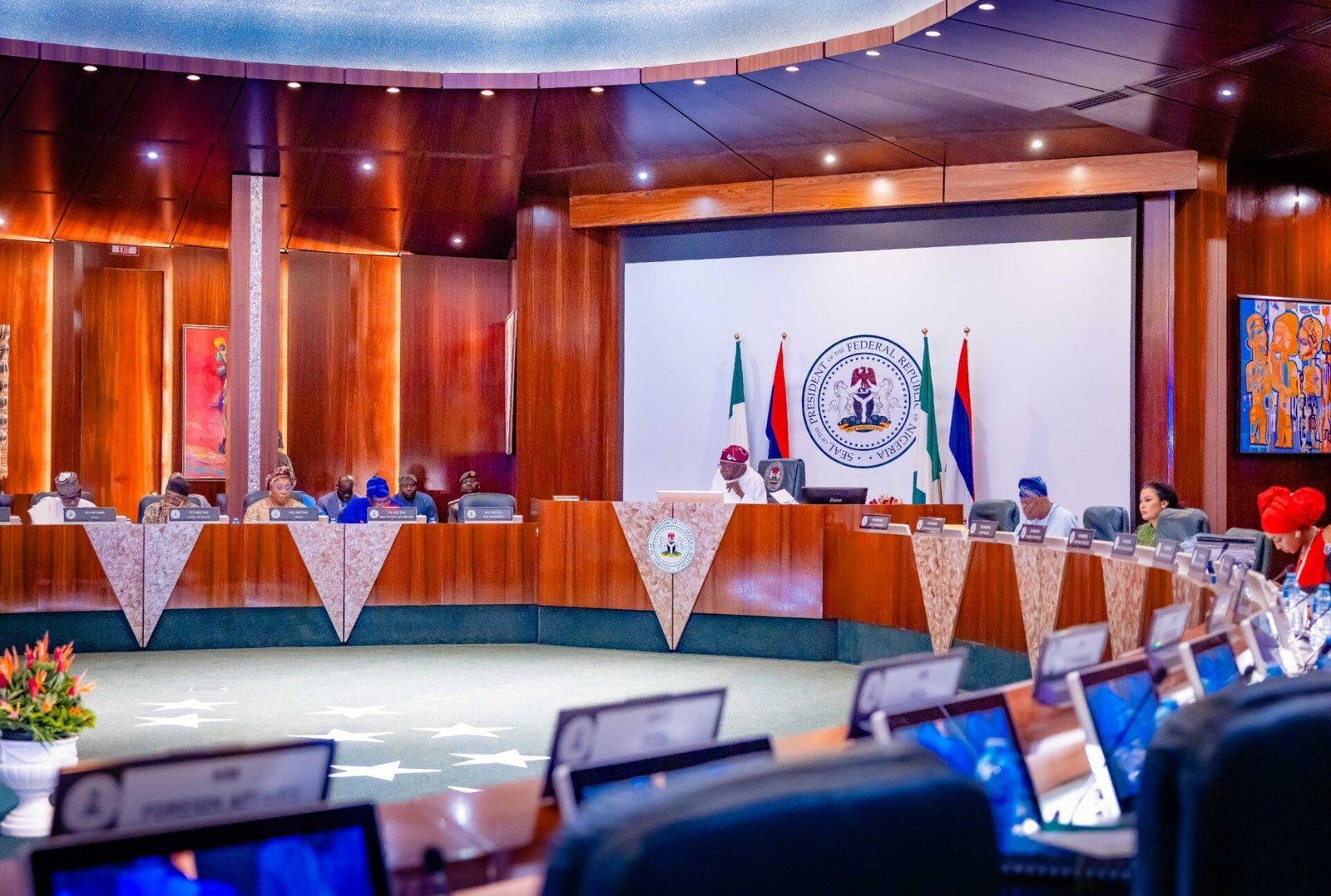
The Federal Government has launched the Smart National Transport Data Bank, a major digital infrastructure project designed to integrate real-time transport data across all modes of transportation in Nigeria. The initiative was approved by the Federal Executive Council in May 2026.
The platform will collect and integrate data from road, rail, air, maritime, and pipeline operations. It is expected to improve national planning, enhance logistics efficiency, strengthen safety measures, and boost overall security in the transport sector.
According to the government, the system will support intelligent mobility solutions, better traffic management, stronger digital infrastructure, and reduced revenue leakages in the transport value chain. Pilot programmes have already been rolled out in Kaduna, Lagos, Nasarawa, and Borno States as part of the initial implementation phase.
The Smart National Transport Data Bank is aimed at transforming Nigeria’s transport governance through technology. Officials say it will help create a more efficient, data-driven, and technology-enabled transportation ecosystem. The project is expected to support evidence-based decision-making by providing real-time insights into transport operations across the country.
The initiative is being presented as part of efforts to modernise Nigeria’s transport sector and align it with global best practices in intelligent transportation systems. It is also expected to contribute to improved security by enabling better monitoring of movement across different transport modes.
The government has expressed confidence that the data bank will play a key role in reducing inefficiencies and leakages while improving service delivery in the transport industry.
The launch has generated discussions on social media, with some Nigerians welcoming the move as a step in the right direction, while others have called for transparency in its implementation and effective utilisation of the data generated.
The full rollout of the Smart National Transport Data Bank is expected to be completed in phases, with further updates anticipated from the relevant government agencies.