



ABUJA — Nigeria’s economy is projected to grow by 4.3% by the end of 2026, according to a joint report released Monday by the National Bureau of Statistics (NBS) and the World Bank.
The figure marks a significant rebound from the 2.9% growth recorded in previous cycles and comes as the administration heralds what it calls the “Great Stabilization” — a term officials have used to describe the impact of fiscal reforms implemented over the past two years.
Those reforms included the complete removal of fuel subsidies and the unification of the exchange rate, both of which triggered widespread public backlash when first introduced. The subsidy removal caused petrol prices to more than triple in some areas, while the exchange rate unification initially sent the Naira into freefall before it gradually found its footing.
Inflation Cools, Naira Stabilizes
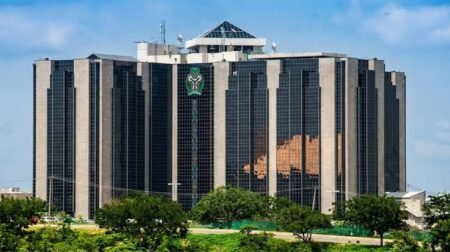
The report highlights a drop in headline inflation from a peak of 33.2% in 2024 to 23.0% currently. The downward trend has prompted the Central Bank of Nigeria (CBN) to indicate it may pause further interest rate hikes.
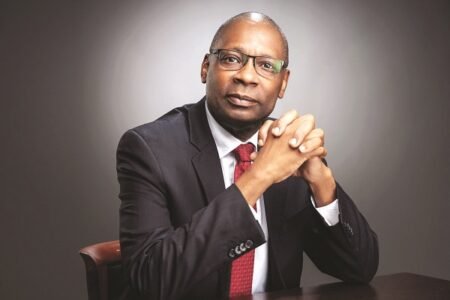
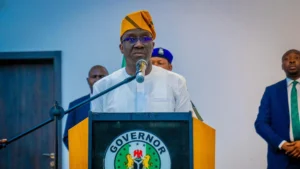
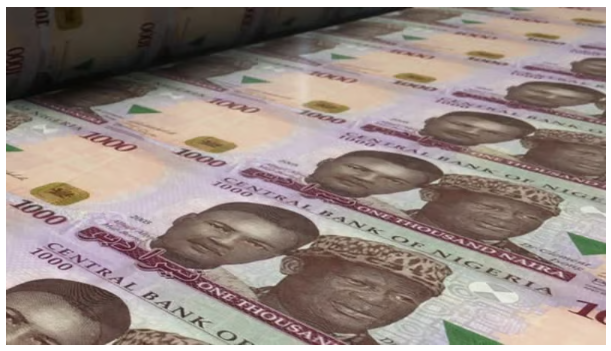
“We are seeing the results of our monetary discipline,” the CBN Governor said during an economic summit over the weekend. “The Naira has found a stable trading range between ₦1,350 and ₦1,420 to the Dollar, which has allowed manufacturers to plan for the long term for the first time in years.”
Growth Has Not Reached “Dinner Tables” Despite the improved macroeconomic indicators, the World Bank’s Lead Economist for Nigeria, Alex Sienaert, cautioned that the benefits have yet to reach ordinary citizens.
“Growth on paper has not yet reached the dinner tables of the average citizen,” Sienaert said. He noted that poverty levels remain elevated due to what the report describes as “the lag between macroeconomic stability and job creation.”

Three Priority Areas
The report identifies three critical focus areas for the second half of 2026:
- Energy Security: Completing the Siemens power project to reduce production costs for small and medium enterprises.
- Agricultural Security: Addressing farmer-herder conflicts in the Middle Belt to help drive down food prices.
- Youth Employment: Utilizing the ₦500 billion Digital Economy Fund to generate jobs in the technology sector.
Fragile Social Contract
“Nigeria is moving in the right direction,” Sienaert concluded, “but the social contract remains fragile. The people need to feel the growth in their pockets, not just in the data.”
The report underscores that while fiscal reforms have stabilized key economic indicators, translating those gains into tangible improvements in living standards remains the government’s central challenge.