



LAGOS/ABUJA— Tensions between Nigeria and South Africa have reached a critical juncture following a renewed wave of xenophobic violence targeting foreign nationals across several South African provinces. The Nigerians in Diaspora Commission (NiDCOM) has issued an urgent alert, describing the situation as “deteriorating” and warning that Nigerian citizens face increasing threats to their safety and livelihoods
The Current Trend: Violence, Fear, and Economic Disruption
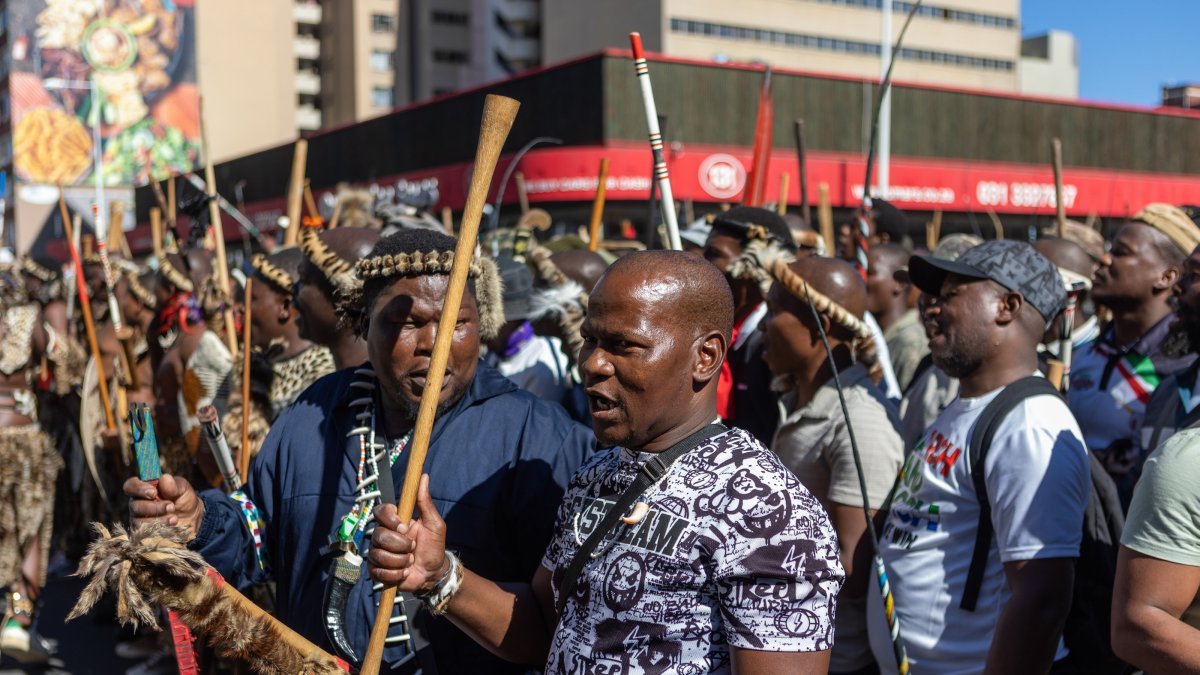
Reports from Johannesburg, Pretoria, and KwaZulu-Natal indicate a disturbing pattern: foreign-owned shops looted, verbal harassment at checkpoints, and physical assaults on migrants—many of whom are Nigerian, Ghanaian, Zimbabwean, and other African nationals. According to NiDCOM, “pupils of Nigerian descent are now scared to attend school. Genuine business owners are afraid to open their shops for fear of targeted attacks, looting, and harassment”
While South African authorities maintain that many incidents are criminal rather than xenophobic in nature, governance experts caution that under-reporting remains a significant concern, potentially masking the true scale of the problem [[3]]. Human Rights Watch notes in its 2026 World Report that “enduring issues related to xenophobia and migrants’ rights to health and education continued” in South Africa
Ramaphosa’s Statement: A Call for Restraint
Amid mounting international pressure, South African President Cyril Ramaphosa took to social media platform X on Monday, May 11, 2026, to address the crisis directly. In a post that has since garnered over 1,500 likes and 450 retweets, President Ramaphosa stated:
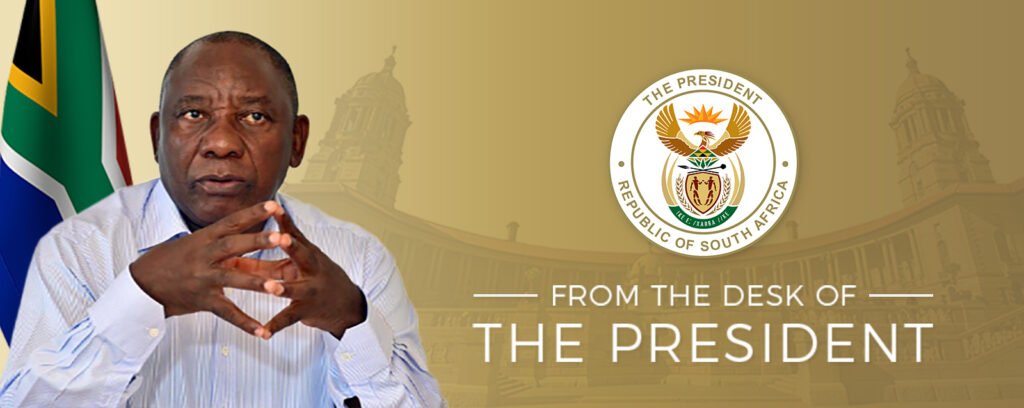
“Dear Fellow South African, The recent violent protests and criminal acts directed at foreign nationals in parts of our country do not represent the views of South Africa’s people nor reflect our government’s policy.” @CyrilRamaphosa
The President’s message included a link to an official statement from the Presidency, urging citizens to uphold the rule of law and reject vigilante justice. However, the post has drawn mixed reactions online, with some South African users contesting the characterization of the protests and calling for stronger action on illegal immigration
This digital intervention aligns with President Ramaphosa’s earlier remarks during South Africa’s Freedom Day address in April 2026, where he warned that *”concerns over illegal immigration must not fuel xenophobia”* and emphasized that the government remains committed to protecting the rights of all residents, regardless of nationality
Nigeria’s Diplomatic Response: Firm but Constructive
The Federal Government of Nigeria has escalated its diplomatic engagement with Pretoria. Last week, the Ministry of Foreign Affairs summoned South Africa’s Acting High Commissioner to convey Abuja’s “deep concern” over the safety of Nigerian citizens
Foreign Affairs spokesperson Kimiebi Ebienfa stated: “Nigeria is monitoring the situation closely through our missions in Pretoria and Johannesburg. The images and rhetoric circulating are disturbing and do not reflect the longstanding relationship between our two countries”
Key demands from Nigeria include:
– Immediate deployment of additional police protection in areas with high Nigerian populations
– Swift investigation and prosecution of perpetrators of violence against Nigerians
– Activation of a newly agreed bilateral early-warning mechanism designed to detect and defuse tensions before they escalate into violence
NiDCOM Chairman Abike Dabiri-Erewa emphasized that *”crime has no nationality”* and rejected the profiling of all Nigerians based on the actions of a few individuals
Regional Ripple Effects
South Africa’s xenophobic episodes have broader implications for African unity. Ghana formally protested after videos emerged showing a Ghanaian national being harassed in KwaZulu-Natal, prompting South Africa’s Acting Police Minister Firoz Cachalia to pledge a “decisive crackdown” on perpetrators Analysts warn that recurring xenophobic violence risks undermining the African Union’s Agenda 2063 and the spirit of Pan-African solidarity
What This Means for Nigerians in South Africa
For the estimated 30,000+ Nigerians residing in South Africa—many of whom are entrepreneurs, students, and professionals—the uncertainty is taking a psychological and economic toll. While Nigeria’s Acting High Commissioner has assured citizens they are “not under siege,” NiDCOM confirms that over 100 Nigerians have expressed willingness to return home voluntarily if conditions worsen
The Commission advises Nigerians in South Africa to:
– Avoid high-risk areas and large gatherings
– Maintain valid immigration documentation
– Report incidents promptly to Nigerian diplomatic missions
– Stay connected with community support networks
Looking Ahead: Can Dialogue Prevail?
The activation of the Nigeria-South Africa early-warning framework represents a significant diplomatic innovation. If successfully implemented, it could serve as a model for managing migration-related tensions across the continent. However, its effectiveness will depend on political will, transparent communication, and tangible action on the ground.
As President Ramaphosa’s recent statement underscores, South Africa’s constitutional democracy is founded on the principle that *”all people are equal before the law”*
The coming weeks will test whether this principle can be upheld in practice—and whether two of Africa’s leading nations can navigate this crisis without allowing historical grievances to overshadow shared aspirations for prosperity and unity.