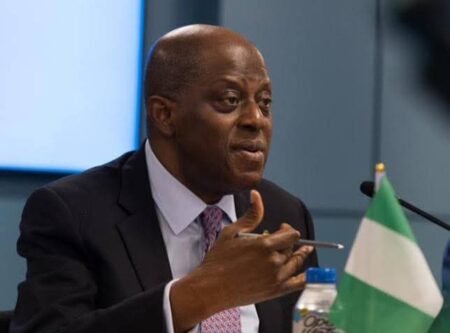






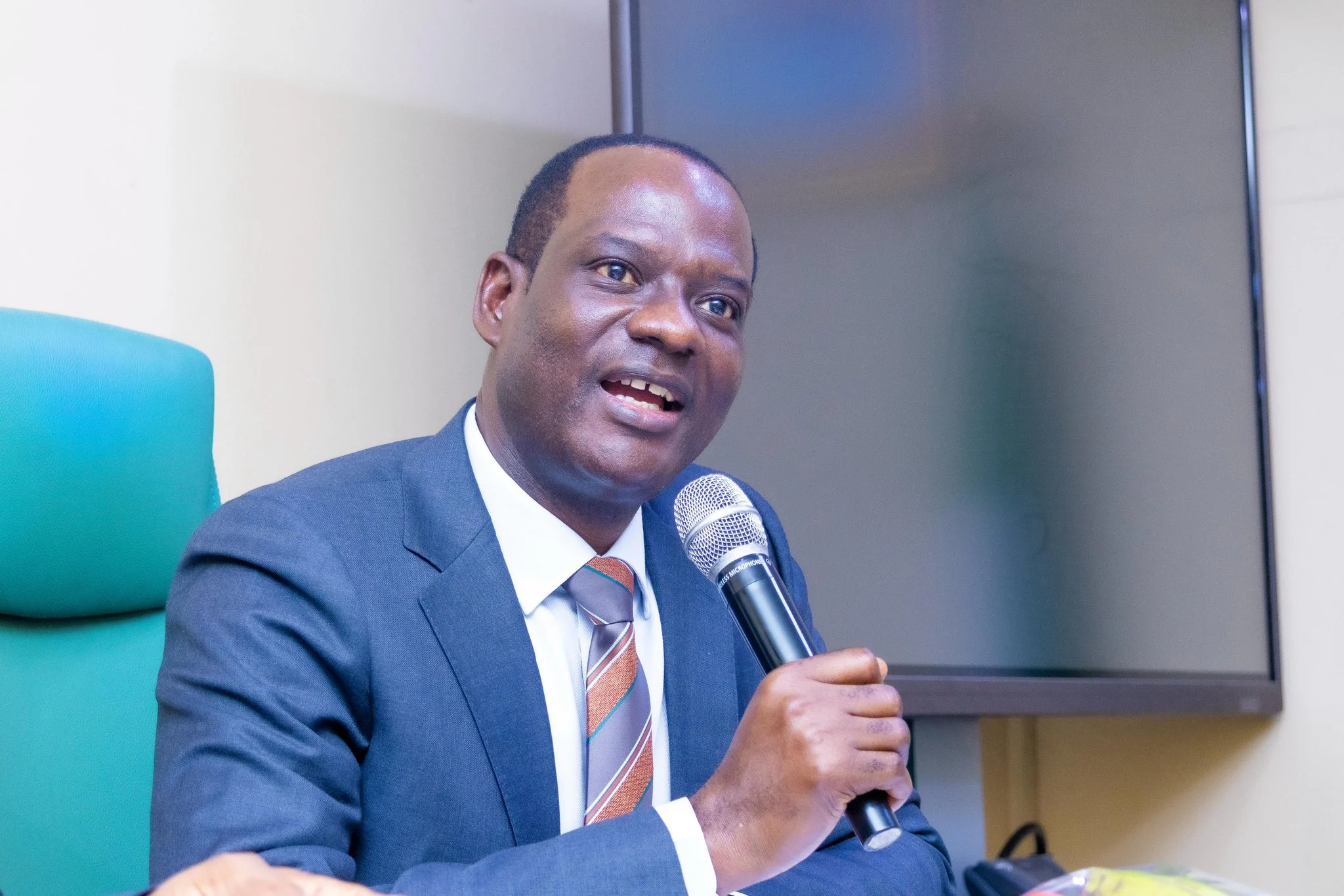
The Federal Government has officially welcomed the International Monetary Fund’s 2026 Article IV assessment, calling it strong independent proof that President Bola Ahmed Tinubu’s economic reforms are working. In a press statement released Tuesday by Finance Minister Taiwo Oyedele, Abuja said the IMF report shows Nigeria is now more stable and better able to handle global shocks than it was two years ago.
Many Nigerians have watched the reforms – from fuel subsidy removal to foreign exchange liberalisation – with mixed feelings because of higher living costs. Yet the government insists these tough decisions are finally paying off and putting the country on a firmer path.
What exactly did the IMF say about Nigeria’s economy in 2026?
The Fund praised improvements in the foreign exchange market, stronger external reserves, ongoing fiscal discipline, and a more resilient banking sector. It noted that ending deficit monetisation and strengthening revenue collection have reduced vulnerabilities. Even with new global challenges like rising energy prices from Middle East tensions, Nigeria’s parallel market premium stayed below five percent and investor confidence held steady. The IMF also highlighted that higher energy prices could actually boost Nigeria’s export earnings and fiscal revenues if oil production and refining are scaled up.
The statement acknowledged that poverty and food insecurity are still major problems. But it pointed to per capita income growth of nearly 10 percent in 2025 as a sign that poverty levels are dropping. The government says macroeconomic gains alone are not enough and is pushing harder on inclusive measures.
How is the Tinubu administration responding to IMF recommendations?
Oyedele stressed that the administration remains committed to sustaining the reform momentum. Plans include expanding the Renewed Hope National Agricultural Mechanisation Programme, irrigation for dry-season farming, and better access to inputs for farmers to tame food inflation and create rural jobs. Social protection is also getting a boost through cash transfers, student loans via NELFUND, consumer credit, and healthcare investments.
On the revenue side, the new tax laws, digitisation of collections, and improved public financial management will continue, with extra focus on transparency and data accuracy as suggested by the IMF. The report projects economic growth above four percent in the medium term, rising reserves, and declining public debt-to-GDP ratio – outcomes already backed by recent credit rating upgrades.
For ordinary citizens, the message is clear: the direction is right even if the journey remains tough. The government says the ultimate goal is not just better numbers on paper but lower inflation, more decent jobs, higher incomes, and real improvements in daily life.
While some critics on social media dismissed the statement as “more government talk,” the IMF’s independent verdict gives fresh backing to the claim that Nigeria is turning the corner. The coming months will show whether these gains translate into tangible relief for households still grappling with high costs. For now, the Federal Government says it is staying the course.