





The Federal Government of Nigeria has taken a significant step toward realising its ambitious target of generating $100 billion from the tourism and creative economy sector by 2030, following high-level strategic discussions between the Infrastructure Concession Regulatory Commission (ICRC) and the Ministry of Art, Culture, Tourism and the Creative Economy.
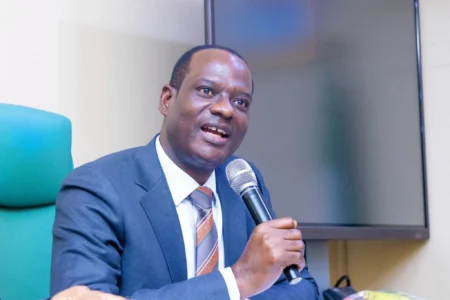
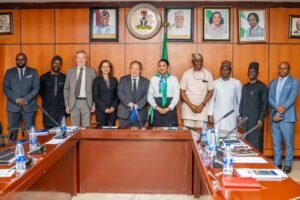
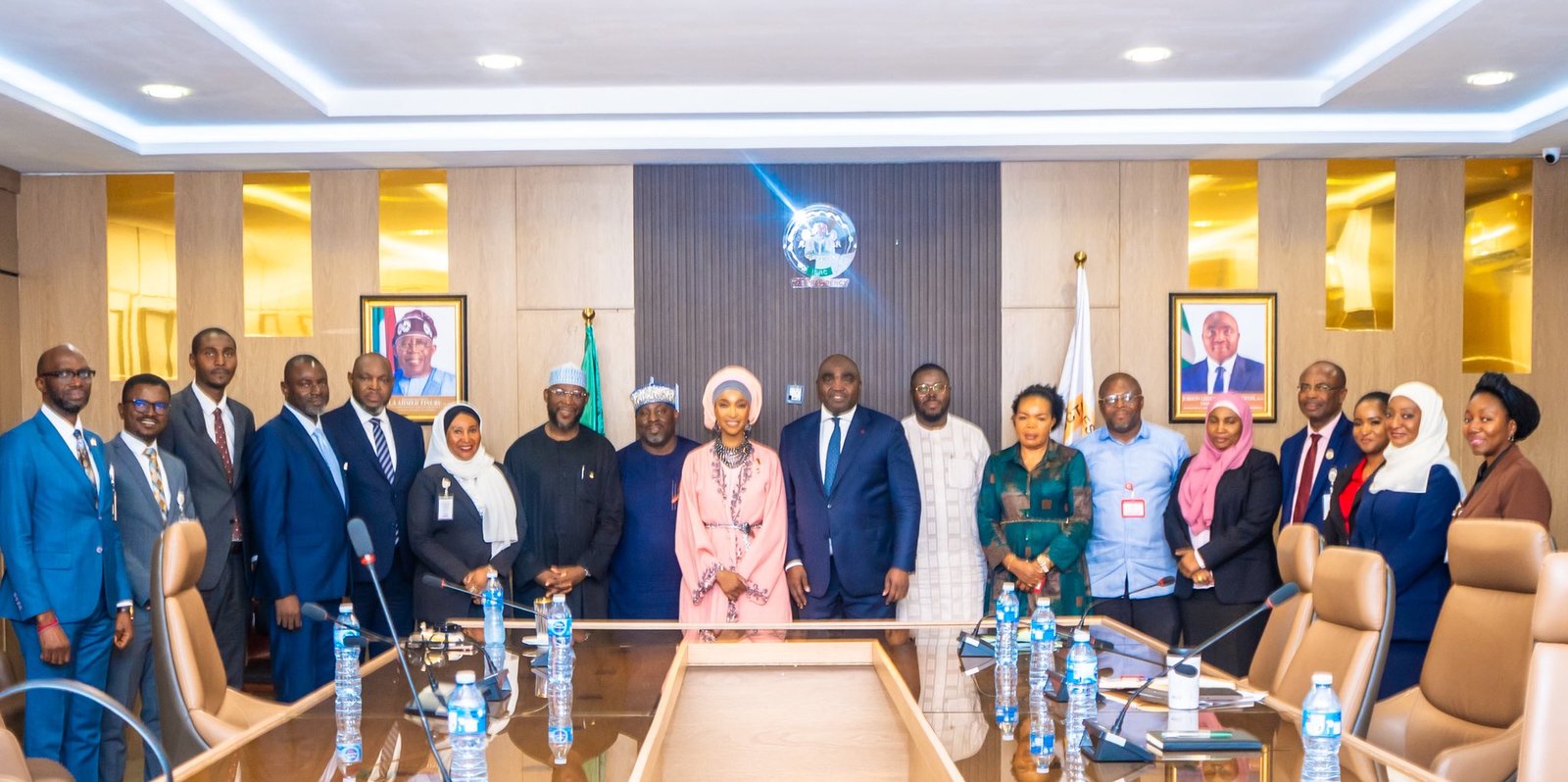
The development was confirmed in a recent post by Dr. Jobson Oseodion Ewalefoh, Director-General of the ICRC, following his engagement with the Honourable Minister, Barr. Hannatu Musa Musawa, in Abuja.
Flagship Projects Under Consideration
According to details from the meeting, the proposed Public-Private Partnership (PPP) initiatives include:
- A world-class 7-star hotel infrastructure to position Nigeria as a premium destination for international business and leisure travellers;
- A modern concert and entertainment arena capable of hosting global music festivals, award ceremonies and cultural showcases;
- Revitalisation of national museums to enhance cultural tourism and preserve Nigeria’s rich heritage;
- Strategic collaborations within the film and creative industry, including potential partnerships with global streaming platforms for production, training and capacity building.
Speaking on the outcome of the engagement, Dr. Ewalefoh affirmed the ICRC’s commitment to fast-tracking viable tourism infrastructure projects.
“The Renewed Hope Agenda of President Bola Ahmed Tinubu is heavily driven by infrastructure development, and tourism infrastructure is no exception,”
he stated, adding that the Commission has streamlined PPP processes to create a more investor-friendly environment while maintaining transparency and regulatory compliance.
Minister Musawa: “Infrastructure Is the Missing Link”
Minister Hannatu Musawa, who has been at the forefront of championing Nigeria’s creative economy transformation, emphasised that infrastructure remains the critical bottleneck preventing Nigeria from capitalising on its immense cultural assets.
“Nigeria is known for its music, fashion, and food, yet we do not have the infrastructure to host the world. Our people travel to other countries for major entertainment events, and that represents a huge loss of economic value for Nigeria,” the Minister remarked.
She further noted that Nigeria possesses the demographic strength, creative talent and cultural capital to become Africa’s leading tourism and entertainment hub—but only if deliberate investments are made in enabling infrastructure.
The $100 Billion Vision: Ambitious, But Achievable?
The target of unlocking $100 billion from the creative and tourism economy by 2030 has featured prominently in the Ministry’s strategic communications. According to Minister Musawa, this projection encompasses 49 segments of the creative economy, including entertainment, arts, culture, tourism, music, theatrical arts, artifacts and museums.
The vision also includes the creation of over two million jobs, positioning the sector as a major driver of inclusive economic growth and youth employment.
To support this agenda, the Ministry has announced several enabling initiatives:
- The $200 million Creative Economy Development Fund (CEDF), domiciled with AfreximBank, to provide affordable financing to creative entrepreneurs;
- The Abuja Creative City project, aimed at transforming the Federal Capital Territory into a vibrant hub for creative industries;
- Upgrades to the Wole Soyinka Centre to serve as a cultural and intellectual landmark;
- Accelerated efforts toward the repatriation of looted Nigerian artifacts from foreign institutions.
PPP Framework: Opportunities and Challenges
While Public-Private Partnerships offer a viable pathway to bridge Nigeria’s infrastructure deficit, experts caution that success will depend on addressing longstanding structural challenges.
Historically, Nigeria’s PPP environment has grappled with issues including project continuity across political cycles, regulatory overlaps, financing closure delays, and concession management complexities.
However, recent reforms by the ICRC—including process streamlining and enhanced investor protections—signal growing institutional commitment to de-risking infrastructure investments in the tourism sector.
Stakeholders have also called for stronger inter-agency coordination, clearer regulatory frameworks, and improved access to long-term financing to ensure that proposed projects move beyond concept to concrete implementation.
What This Means for Nigerians
If successfully implemented, these initiatives could transform Nigeria’s tourism landscape in tangible ways:
- Job creation across hospitality, entertainment, construction, and creative services;
- Increased foreign exchange earnings from international visitors and cultural exports;
- Enhanced global visibility for Nigerian culture, arts and entertainment;
- Improved infrastructure benefiting both tourists and local communities.
As Minister Musawa aptly noted: “The goal of unlocking a $100 billion tourism and creative economy by 2030 is ambitious, but achievable with the right partnerships, policies, and infrastructure in place.”
Looking Ahead
With the Infrastructural Tourism Development Summit 2026 scheduled for September to commemorate World Tourism Day, stakeholders across government, private sector and civil society will have another platform to align strategies and accelerate progress.
For now, all eyes remain on Abuja as the Ministry and ICRC work to translate today’s discussions into bankable projects—and ultimately, into transformative outcomes for Nigeria’s people and economy.