





ABUJA — May 9, 2026
The Nigeria Democratic Congress (NDC) has formally zoned its 2027 presidential ticket to Southern Nigeria, restricting the slot to a single four-year term and reserving the 2031 ticket for the North.
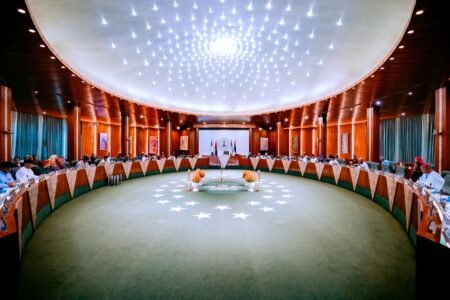
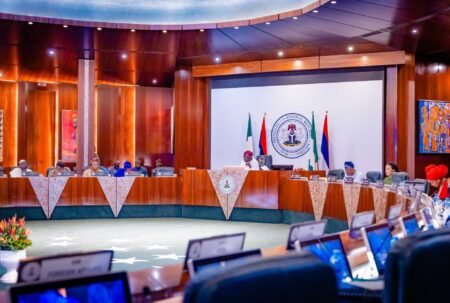
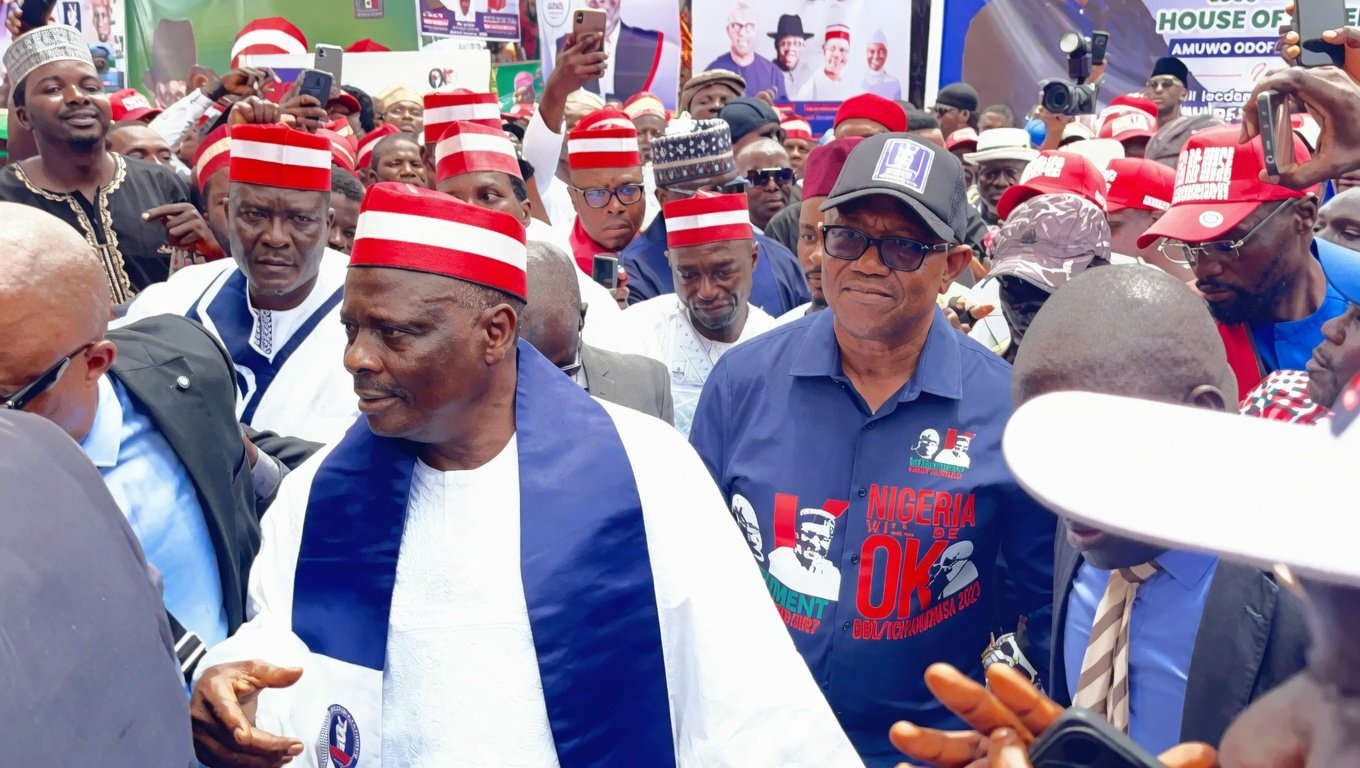
The decision was ratified on Saturday at the party’s maiden National Convention held at the Light House Conference Centre in Abuja, where delegates also approved amendments to the party constitution and elected new national executives .
Strategic Power-Sharing Formula
The zoning resolution represents a calculated effort to balance regional equity with electoral strategy. By limiting the 2027 candidacy to one term, the party has effectively created a rotational framework that guarantees Northern Nigeria the presidency in the subsequent electoral cycle .
Party leaders argue the arrangement is designed to foster national unity while positioning the NDC as a credible alternative to the ruling All Progressives Congress (APC). “The decision reflects our commitment to inclusive leadership and sustainable political rotation,” a senior party official told reporters .
Obi, Kwankwaso Defections Reshape Opposition Landscape
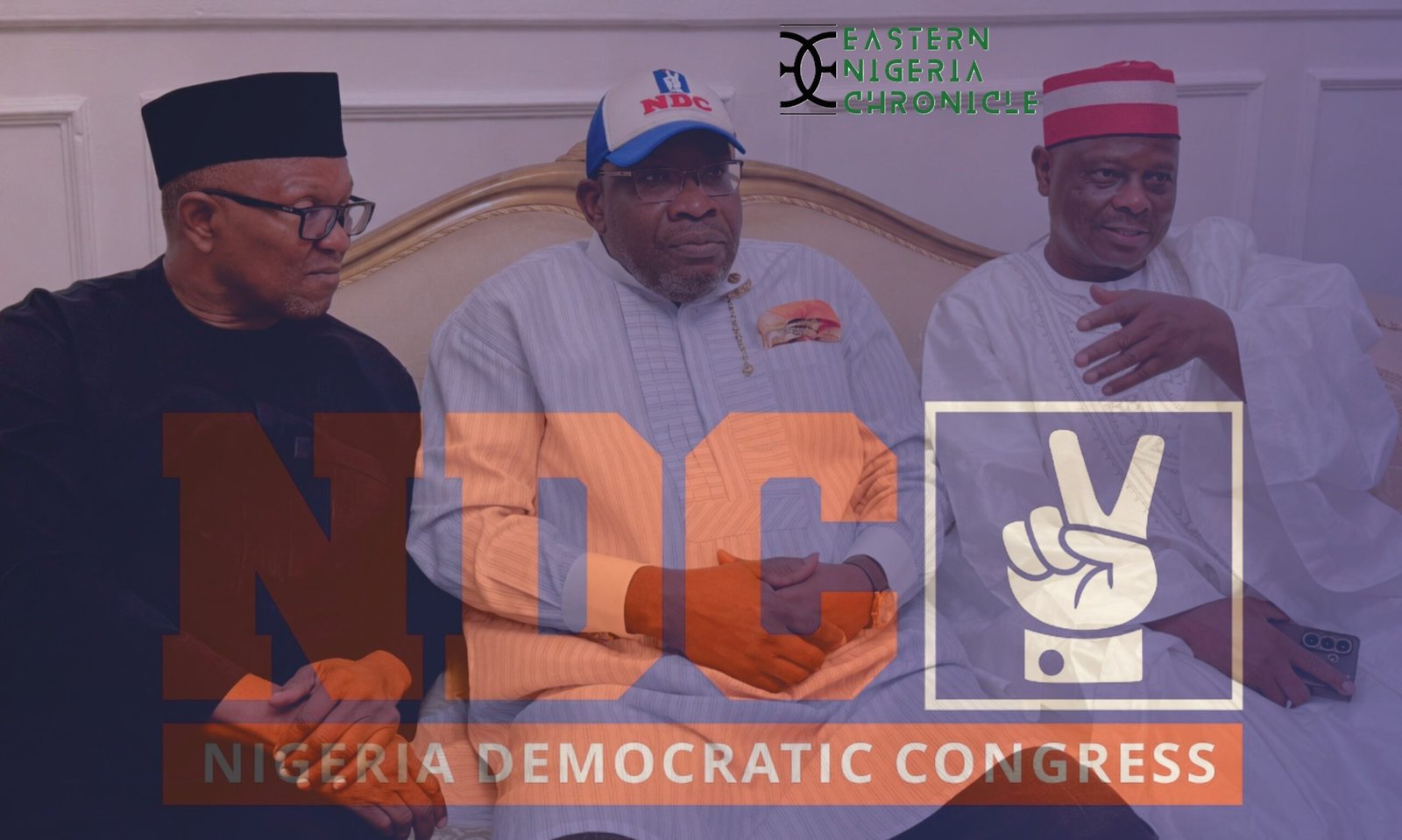
The zoning announcement comes days after two of Nigeria’s most prominent opposition figures—Peter Obi, former Labour Party presidential candidate, and Rabiu Musa Kwankwaso, ex-Kano State governor—formally defected to the NDC from the African Democratic Congress (ADC) .
Both leaders were present at Saturday’s convention. The South-first zoning aligns with Obi’s longstanding advocacy for regional equity, while the 2031 Northern allocation positions Kwankwaso as a potential standard-bearer in the next cycle .
Political analysts view the move as a masterstroke. “If Obi secures the ticket and serves one term, the 2031 zoning naturally favors Kwankwaso’s ambition,” commented political observer Onyeani Kalu .
Wave of Defections Strengthens NDC
The NDC’s rising profile was underscored by a wave of high-profile defections ahead of the convention. On Tuesday, no fewer than 17 members of the House of Representatives crossed from the ADC to the NDC during parliamentary plenary .
Lawmakers who defected include Yusuf Datti, Uchenna Okonkwo, Adamu Wakili, Thaddeus Attah, George Ozodinobi, Lilian Orogbu, Oluwaseyi Sowunmi, Peter Aniekwe, Mukhtar Zakari, George Oluwande, Munachim Umezuruike, Emeka Idu, Jesse Onuakalusi, Ifeanyi Uzokwe, Afam Ogene, Murphy Omoruyi, and Abdulhakeem Ado .
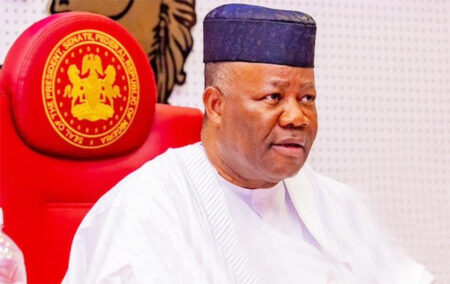
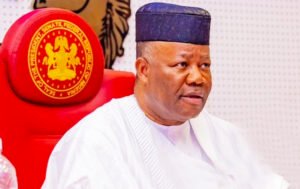
Senator Seriake Dickson, former Governor of Bayelsa State and national leader of the NDC, welcomed the new members, describing the party as “the preferred vehicle for Nigerians seeking competent, principled leadership” .
What the Zoning Means for 2027
With the presidential ticket officially zoned to the South, aspirants from the six Southern geopolitical zones will be eligible to contest the NDC primary. The party has indicated that primaries—not consensus—will determine its flagbearer .
Key potential contenders include:
- Peter Obi (South-East): Former Anambra governor and 2023 presidential candidate
- Other Southern leaders: Expected to emerge from PDP, LP, and ADC defectors now in the NDC
Northern politicians—including Kwankwaso—are widely expected to focus on building support for the 2031 cycle, though some may still contest the vice-presidential slot in 2027 .

Reactions and Analysis
The zoning decision has drawn mixed reactions across Nigeria’s political spectrum:
Supporters hail it as a pragmatic compromise that addresses historical grievances over power rotation while maintaining electoral competitiveness.
Critics question whether a single-term commitment can be enforced and warn that internal party dynamics could override the zoning arrangement if electoral fortunes shift .
Political scientist Dr. Amina Bello of the Centre for Democratic Studies told Channels TV: “Zoning can stabilize coalitions, but its success depends on credible primaries, transparent governance, and delivering tangible results to voters” .
Next Steps
The NDC is expected to:
- Submit its updated membership register to the Independent National Electoral Commission (INEC) this week
- Commence nationwide sensitization on its zoning framework and policy agenda
- Set dates for presidential and National Assembly primaries ahead of INEC’s deadline
Background: The Nigeria Democratic Congress was recently registered by INEC as one of two new political parties eligible to contest the 2027 elections. Founded by Senator Seriake Dickson, the party has rapidly attracted defectors from the PDP, ADC, and LP, leveraging dissatisfaction with existing opposition structures .
Nigeria’s next general elections are scheduled for February 20, 2027 .