






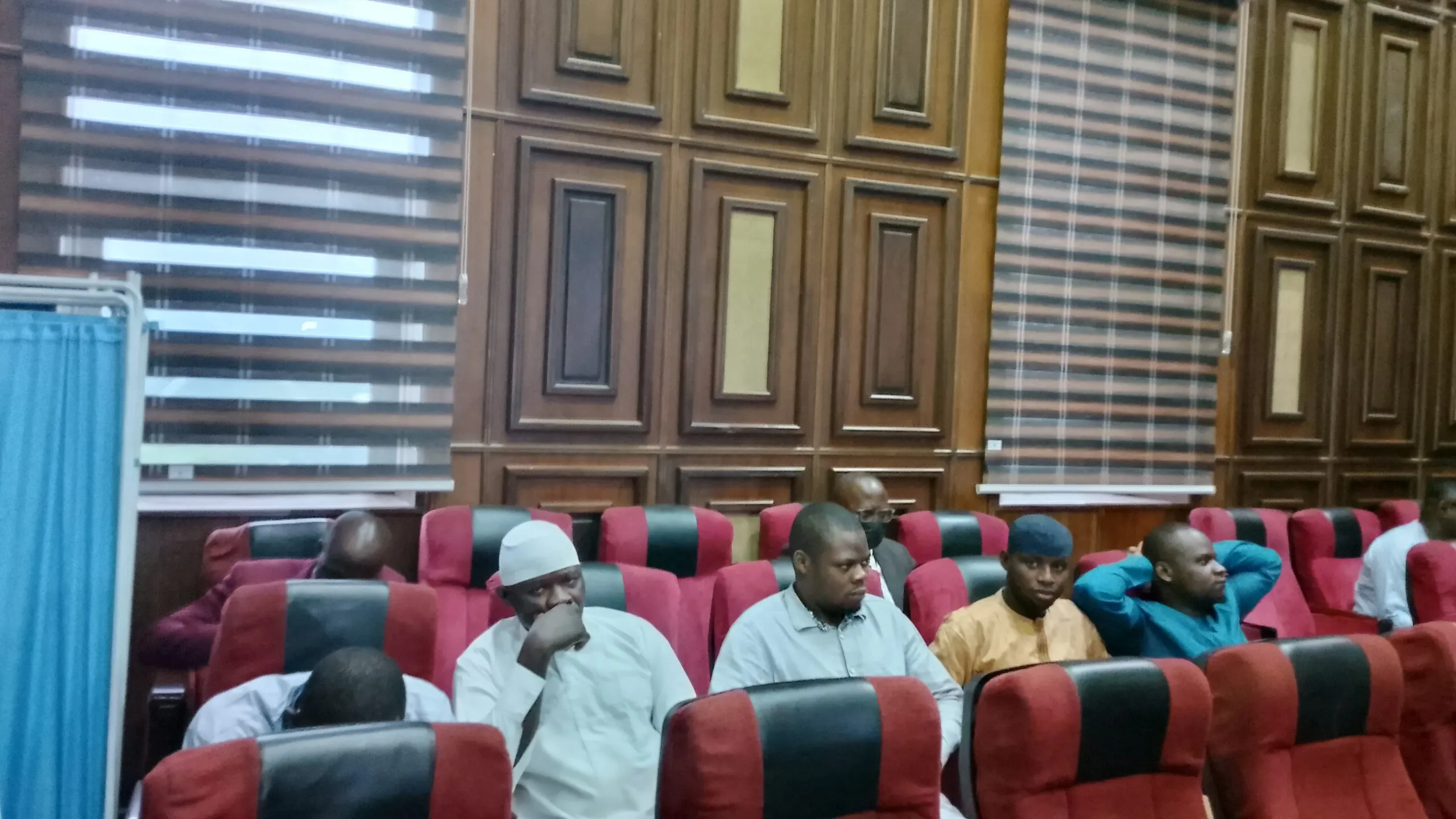
In a landmark ruling that has brought a measure of justice to one of Nigeria’s most heartbreaking terror attacks, a Federal High Court in Abuja has sentenced four men to death by hanging for their roles in the 2022 Owo church massacre. The verdict, delivered on Wednesday, June 3, 2026, marks a significant step in the fight against terrorism as families of the victims finally see some closure after years of waiting.
Court Delivers Justice Four Years After Deadly Attack
The convicts—Idris Abdulmalik Omeiza (25), Al Qasim Idris (20), Jamiu Abdulmalik (26), and Abdulhaleem Idris (25)—were found guilty on all nine counts related to the June 5, 2022, attack on Saint Francis Catholic Church in Owo, Ondo State. Gunmen had stormed the church during Sunday mass, killing at least 43 worshippers in cold blood. A fifth suspect, Momoh Otuho Abubakar (47), was discharged and acquitted due to insufficient evidence. Justice Emeka Nwite handed down the sentences after a thorough trial.
People in Owo still remember that tragic Sunday vividly. Worshippers who survived described scenes of pure horror as bullets flew and lives were cut short in a place meant for peace and prayer. The attack, claimed by ISIS-linked terrorists, shocked the nation and drew global condemnation. Many Nigerians, especially in the South-West, wondered if justice would ever come. Today, it has—for four of the perpetrators at least.
What the Ruling Means for Terrorism Cases in Nigeria
Legal experts say the death sentences send a strong message that the courts will not treat terrorism lightly. In recent years, similar high-profile cases have ended with life sentences or lighter terms, leaving families frustrated. Here, the judge’s decision reflects the gravity of the crime. No immediate reactions from victims’ families were reported in court, but community leaders in Ondo have welcomed the outcome as long overdue.
The Owo church massacre remains one of the deadliest single attacks on a place of worship in Nigeria’s recent history. It happened just months after other violent incidents across the country, fuelling nationwide debates on security. While the death penalty is controversial—some human rights groups argue against it—many ordinary Nigerians, especially those who lost loved ones, see it as the only fitting punishment for such brutality.
As the country continues to battle insurgency in the North-East and banditry elsewhere, this verdict offers a rare win for the justice system. Security agencies say they remain committed to tracking down every sponsor and foot soldier involved in such attacks. For the people of Owo, the healing process is far from over, but Wednesday’s ruling is a step towards accountability.