




The Federal Government has cancelled $717.7 million in undisbursed World Bank financing for Nigeria’s electricity sector. This step effectively brings the remaining portion of a $1.52 billion power sector recovery programme to an end. The decision follows a joint restructuring with the World Bank and comes amid persistent challenges in the industry, including widening tariff shortfalls and implementation delays. For millions of Nigerians who still struggle with unstable power supply, the move raises fresh questions about the pace and direction of sector reforms.
Documents from the World Bank show that the entire undisbursed balance has been cancelled and no further disbursements will be made. The programme’s closing date has also been brought forward from June 2027 to May 31, 2026.
Why the World Bank Cancelled Nigeria Power Sector Funding
The cancellation stems from a combination of economic shifts and sector-specific difficulties. After the foreign exchange market liberalisation in 2023, the naira depreciated sharply. This pushed up the cost of natural gas, which powers more than 70 per cent of grid electricity. At the same time, tariffs remained largely frozen, causing annual tariff shortfalls to jump from N140 billion in 2022 to N1.9 trillion in 2024 and 2025.
The additional financing component of the programme, approved in 2023, recorded very low disbursement rates. Only about 9 per cent of that portion had been released before the restructuring. World Bank assessments pointed to unmet reform conditions, verification delays, and a growing mismatch between the programme design and current sector realities. Both sides agreed the financing no longer aligned with the evolving situation.
What the Original Programme Achieved and What Remains
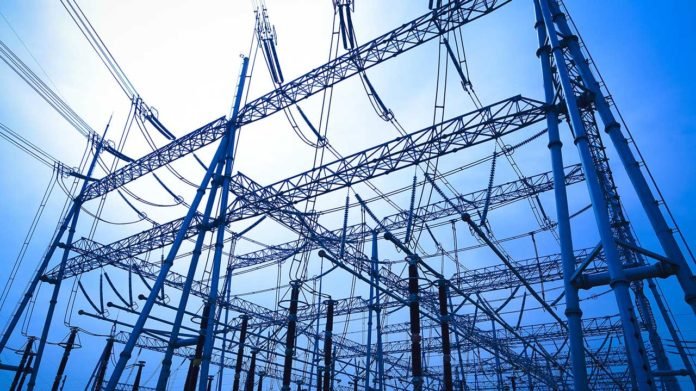
The earlier part of the power sector recovery effort recorded measurable progress. Tariff shortfalls fell by 71 per cent between 2019 and 2022, cost recovery improved significantly, and electricity supplied to the grid rose by 13 per cent in the early years. Those gains showed that targeted support could deliver results when conditions allowed.
However, deeper structural problems persist. High technical and commercial losses, transmission bottlenecks, weak distribution companies, and underutilised generation capacity continue to weigh on the sector. The cancellation removes potential funding that could have supported further fixes, even as it also reduces Nigeria’s undisbursed external debt obligations.
Many households and businesses hardly cope with frequent outages and high generator costs. This development does not immediately change daily supply, but it underscores the difficulty of sustaining large-scale external support without stronger domestic traction on reforms. The Federal Government has signalled it may become stricter with future loans that face long approval delays.
Observers note that while shedding undisbursed funds eases future repayment pressure, the sector still needs credible plans to close financing gaps and improve service delivery. Attention is now turning to what alternative measures the government will pursue to stabilise electricity supply and restore investor confidence.
The power sector remains one of Nigeria’s most critical challenges. How authorities respond in the coming months will determine whether this restructuring marks a pause or a genuine shift in approach.