






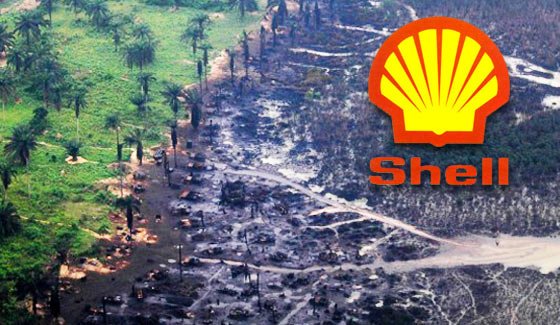
Leaked internal documents have exposed a disturbing pattern at Shell: the oil giant continued pumping crude through a Nigerian pipeline for years even after its own engineers warned that the infrastructure was an environmental catastrophe waiting to happen.
The revelations, published in a detailed report this week, are based on emails, memos, and presentations that show senior Shell executives were aware of the risks as far back as 2008. One executive reportedly cautioned that continuing operations on the line could lead to “catastrophic spills” with devastating consequences for communities in the Niger Delta. The pipeline kept running anyway.
For the people of Ogoniland and surrounding areas, this is not news—it is confirmation of what they have lived with for decades. Farmland poisoned. Rivers turned black with crude. Fishing grounds destroyed. Children growing up with skin lesions and respiratory illnesses that doctors struggle to explain. The Niger Delta has been Shell’s cash cow and its dumping ground, often simultaneously.
The leaked documents suggest that cost considerations overrode safety concerns. Shutting down the pipeline for repairs would have meant lost revenue. So Shell gambled—with the environment, with people’s lives, and, as it turns out, with its own reputation.
Environmental activists in Nigeria have seized on the report as fresh ammunition in their long campaign to hold Shell accountable. Fyneface Dumnamene, whose Youths and Environmental Advocacy Centre monitors spills in the Delta, said the documents prove that Shell knew exactly what it was doing. “This was not an accident,” he said. “This was a choice.”
The Nigerian government has been largely silent on the revelations, a silence that critics say speaks volumes about the cosy relationship between the state and the oil majors. The National Oil Spill Detection and Response Agency (NOSDRA) has documented hundreds of spills over the years, but enforcement has been weak and penalties negligible.
Shell has since divested from its onshore operations in Nigeria, selling its subsidiary to a consortium of local firms. But the pollution remains, and so do the questions. Who will clean up the mess? Who will compensate the farmers who can no longer farm, the fishermen who can no longer fish?
For the communities of the Niger Delta, the answer has always been the same: nobody. And these leaked emails suggest they were right.