






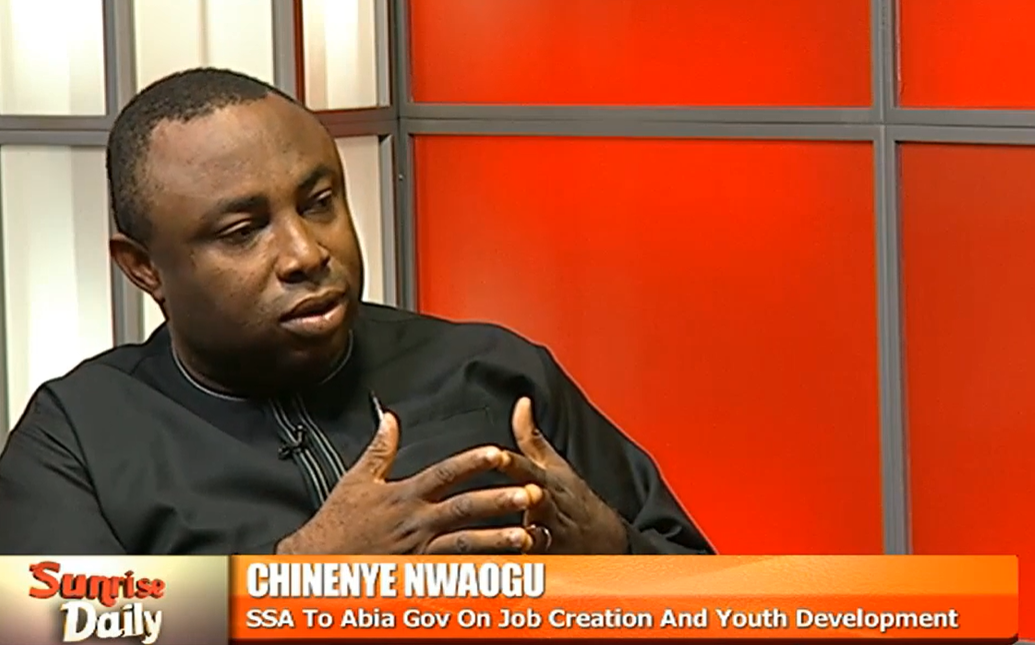
Abuja/Lagos — Nigeria risks becoming a mere consumer market for goods produced by other African nations unless it urgently repositions its 39 million Micro, Small and Medium Enterprises (MSMEs) to seize the opportunities presented by the African Continental Free Trade Area (AfCFTA), public affairs analyst Chinenye Nwaogu has warned.
In a detailed policy analysis endorsed by the Nigeria and Entrepreneurship: Summit & Honors (NESH) Foundation, Nwaogu argued that while AfCFTA represents the most ambitious economic integration project in Africa since 1963, Nigeria’s current approach remains an “elite policy project” that has failed to reach the grassroots entrepreneurs who drive the economy.
The Scale of the Opportunity
AfCFTA, which has 54 signatory countries, a combined population of over 1.4 billion people, and a collective GDP exceeding $3.4 trillion, aims to eliminate tariffs on approximately 90 percent of goods traded within Africa, reduce non-tariff barriers, and stimulate regional value chains.
Currently, intra-African trade accounts for only 15 to 18 percent of total African trade — far below intra-European trade (65 percent) and intra-Asian trade (55 percent). African countries continue to export raw materials and import finished goods, a pattern AfCFTA seeks to reverse.
For Nigeria, Africa’s largest economy and most populous nation, the stakes are particularly high. According to the Small and Medium Enterprises Development Agency of Nigeria (SMEDAN), the country’s over 39 million MSMEs contribute nearly half of national GDP and account for the vast majority of private-sector employment.
Yet most remain disconnected from export markets, operating informally, lacking access to finance, and unable to meet international quality standards.
“The conversation surrounding AfCFTA in Nigeria remains concentrated among policymakers, trade experts, chambers of commerce, and large corporations,” Nwaogu wrote. “Meanwhile, the small-scale leather producer in Aba, the shea butter cooperative in Niger State, the garment manufacturer in Kano, the cassava processor in Benue, and the furniture maker in Lagos remain largely excluded from the ecosystem.”
tructural Challenges
Despite Nigeria’s advantages — the largest consumer market in Africa, abundant agricultural resources, a vibrant entrepreneurial population, and a growing digital economy — serious structural weaknesses undermine its competitiveness.
Poor infrastructure, unreliable electricity supply driving up energy costs, excessive transport costs due to poor road and rail connectivity, port inefficiencies, limited access to affordable credit, and cumbersome regulatory processes all reduce the ability of Nigerian producers to compete within African markets.
“A manufacturer in Ghana or Morocco may be able to deliver goods to an African market at lower cost than a Nigerian producer despite Nigeria’s larger industrial base,” the analysis noted.
Seven-Stage Roadmap
Nwaogu outlined a seven-stage strategy for Nigeria to transition from passive observer to continental trade leader:
- Mass Awareness: Launch a nationwide AfCFTA literacy campaign targeting at least five million MSMEs within three years, with Help Desks in every local government and Export Support Centres in every state.
- Formalization: Simplify business registration and formalize at least three million MSMEs over five years to unlock access to finance and government support.
- Financing: Establish a dedicated AfCFTA MSME Export Fund with initial capitalization of not less than ₦500 billion, providing low-interest loans, export guarantees, and trade finance solutions.
- Quality and Standards Compliance: Strengthen certification systems through agencies such as the Standards Organisation of Nigeria (SON) and the National Agency for Food and Drug Administration and Control (NAFDAC), making certification faster, cheaper, and more accessible.
- Digital Trade Integration: Create a national AfCFTA digital marketplace connecting producers directly with buyers across Africa.
- Logistics Modernization: Invest aggressively in roads, railways, inland dry ports, cargo airports, and border infrastructure while digitizing port clearance procedures.
- Sector Specialization: Focus resources on high-potential sectors including agriculture and agro-processing, leather products, textiles and garments, pharmaceuticals, creative industries, technology services, petrochemicals, food processing, construction materials, and light manufacturing.
Five-Year Target
The analysis proposes a realistic five-year roadmap to onboard 10 million Nigerian MSMEs into the AfCFTA ecosystem:
- Year One: Awareness campaigns reaching two million businesses
- Year Two: Formalization and training for an additional two million businesses
- Years Three and Four: Financing, certification, and export readiness
- Year Five: Scaling exports and integrating MSMEs into regional value chains
If implemented effectively, Nigeria could significantly increase non-oil exports, create millions of new jobs, stimulate industrialization, expand foreign exchange earnings, and reduce dependence on crude oil revenues.
Broader Significance
Nwaogu emphasized that AfCFTA’s success extends beyond economics, with the potential to strengthen African integration, reduce economic fragmentation, enhance food security, encourage industrial cooperation, and improve the continent’s bargaining power in global trade negotiations.
“Continental trade agreements do not create prosperity on their own,” the analysis concluded. “Prosperity emerges when governments build infrastructure, improve competitiveness, expand access to finance, support innovation, and create an enabling environment for businesses.”
“The future of African trade will not be determined solely in ministerial conferences and policy forums. It will be determined in factories, farms, workshops, technology hubs, processing centres, and small businesses across the continent.”
The NESH Foundation, founded by Mr. Emeka Ugwu-Oju, endorsed and amplified the analysis, calling for urgent government action to ensure Nigerian MSMEs do not miss the continental trade revolution.